Summary:
Understanding Pet Dander and Why Standard Cleaning Falls Short
Pet dander isn’t just pet hair. It’s the tiny flakes of skin that every cat and dog sheds constantly, along with proteins from their saliva and urine that dry and become airborne. These particles are incredibly small—about 2.5 microns, which means roughly 40 of them could fit across a single human hair.
That microscopic size is exactly why your regular vacuum and weekly dusting routine aren’t cutting it. Standard household cleaning equipment simply wasn’t designed to capture particles that small. Most traditional vacuums actually make the problem worse by stirring up settled dander and blowing it back into the air through their exhaust systems.
What makes dander particularly frustrating is how persistent it is. It can linger in your home for months, even after a pet is no longer there. It sticks to walls, settles into carpet fibers, accumulates in air ducts, and coats every surface you can’t easily see.
How Pet Dander Triggers Allergies and Affects Your Health
When you’re allergic to pets, your immune system mistakes harmless dander proteins for dangerous invaders. Your body responds by releasing histamines and other chemicals that cause those familiar symptoms: itchy, watery eyes, sneezing, runny nose, and sometimes skin rashes or hives.
For some people, the reaction stops there. But for others, especially those with asthma, prolonged exposure to pet dander can lead to more serious respiratory problems. Your airways can become inflamed and swollen, making it difficult to breathe. Over time, continuous exposure can even contribute to developing asthma in people who didn’t have it before.
The challenge is that these allergens don’t just affect you when you’re directly petting your dog or cat. Because dander is so lightweight and sticky, it travels throughout your entire home. It gets into your bedroom even if your pet never goes in there. It circulates through your HVAC system. It clings to your clothes and follows you to work.
Almost 62% of U.S. households have pets, and millions of those pet owners experience some level of allergic reaction. You’re dealing with a common problem, but that doesn’t make it any less frustrating when you’re the one constantly reaching for tissues or struggling to get a good night’s sleep because you can’t stop sneezing.
The good news is that you don’t have to rehome your beloved pet to find relief. What you need is a cleaning approach that’s actually designed to handle particles this small and this persistent. That’s where professional maid services with pet-specific expertise make a real difference.
What Makes Professional Pet-Friendly Cleaning Different
Professional pet-friendly house cleaning services use equipment and techniques that go far beyond what’s available in most homes. The most important tool is a vacuum with true HEPA filtration. HEPA stands for High-Efficiency Particulate Air, and these filters are designed to trap at least 99.97% of particles as small as 0.3 microns—which includes pet dander, pollen, dust mites, and mold spores.
Regular vacuums might claim to have “high-efficiency” filters, but there’s a significant difference. Non-HEPA vacuums typically capture only about 96% of particles, and that missing 4% makes a huge impact on your indoor air quality. More importantly, many standard vacuums lack sealed systems, meaning allergens can leak back out through cracks and seams in the housing.
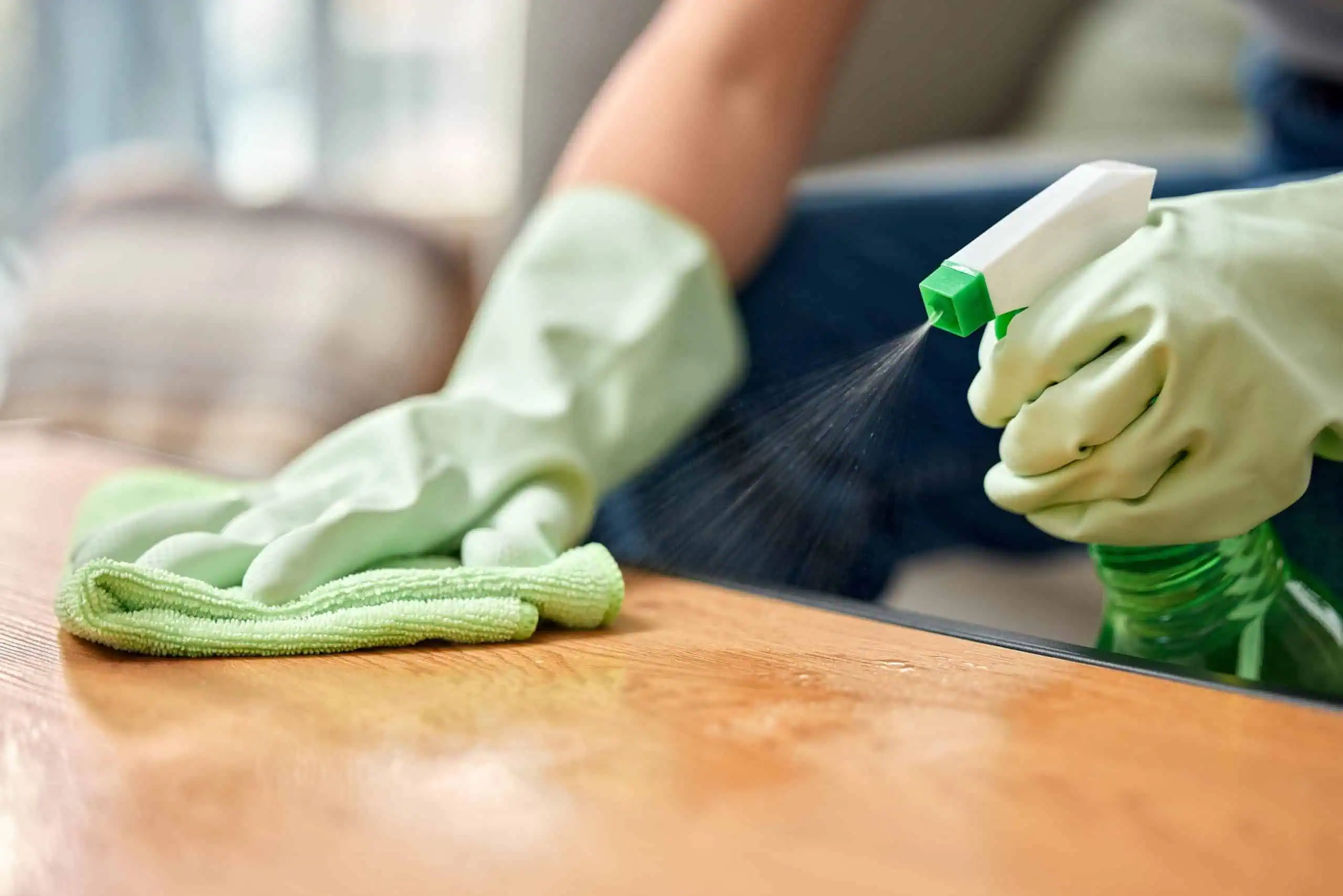
We also use microfiber cloths instead of traditional dusters. Microfiber is designed to trap particles rather than just push them around or send them airborne. When you dust with a regular cloth or feather duster, you’re often just redistributing dander from one surface to another. Microfiber actually holds onto it.
Beyond equipment, we understand where dander hides. We know to clean baseboards, door frames, ceiling fan blades, and the tops of cabinets—all places where dander settles but rarely gets cleaned in routine housekeeping. We pay attention to upholstered furniture, which acts like a sponge for allergens. We address window treatments, which collect dander but often get overlooked.
Perhaps most importantly, we use non-toxic, eco-friendly cleaning products that are safe for your pets. Many conventional cleaning chemicals can be harmful if your dog or cat walks across a freshly cleaned floor and then licks their paws, or if they inhale fumes from harsh products. Pet-safe cleaners are formulated to be effective against dirt and allergens without posing risks to your furry family members.
The frequency of professional cleaning matters too. While you might think a deep clean once or twice a year is enough, allergen control really requires more regular attention. Many pet owners find that bi-weekly or monthly professional cleaning, combined with lighter maintenance in between, keeps dander levels manageable and symptoms under control.
Want live answers?
Connect with a Spark Maids LLC expert for fast, friendly support.
Managing Pet Dander Between Professional Cleaning Visits
Professional cleaning services provide the deep, thorough allergen removal your home needs, but what you do between visits matters just as much. Think of it as a partnership: we handle the intensive work that requires specialized equipment and expertise, while you maintain the progress with simpler daily and weekly tasks.
The goal isn’t perfection. You’re living with pets, after all, and some level of dander is inevitable. What you’re aiming for is keeping allergen levels low enough that symptoms stay manageable and your home feels comfortable.
Simple Daily Habits That Reduce Dander Accumulation
The most effective thing you can do daily is establish pet-free zones in your home, particularly your bedroom. If you’re allergic, keeping your sleeping area off-limits to pets gives you about eight hours of relief every night. That matters more than you might think. Your bedroom should be your sanctuary—a place where you can breathe easily and get restful sleep without constant exposure to allergens.
Keep your bedroom door closed, and if possible, use an air purifier with a HEPA filter in that room. This creates a clean-air zone that allows your body to recover from daytime exposure. Some people resist this because they love sleeping with their pets, and that’s understandable. But if allergies are seriously impacting your quality of life, this single change often provides the most noticeable improvement.
Groom your pets regularly, and do it outside if possible. Brushing your dog or cat several times a week removes loose fur and dander before it has a chance to spread throughout your home. When you brush outdoors, those allergens stay outside instead of floating around your living room. If you’re the one with allergies, consider asking a family member or hiring a groomer to handle this task, or at least wear a mask while doing it.
Bathing your pets can also help, though frequency depends on the animal and their breed. Most dogs can be bathed once a week or every other week, which significantly reduces the amount of dander on their coat. Cats are trickier since many don’t tolerate baths well, but there are pet wipes designed specifically for dander reduction that can work as an alternative.
Wipe your pet’s paws when they come inside. This simple habit prevents them from tracking outdoor allergens like pollen throughout your home, which can compound your allergy symptoms. Keep a towel or pet wipes near the door and make it part of your routine.
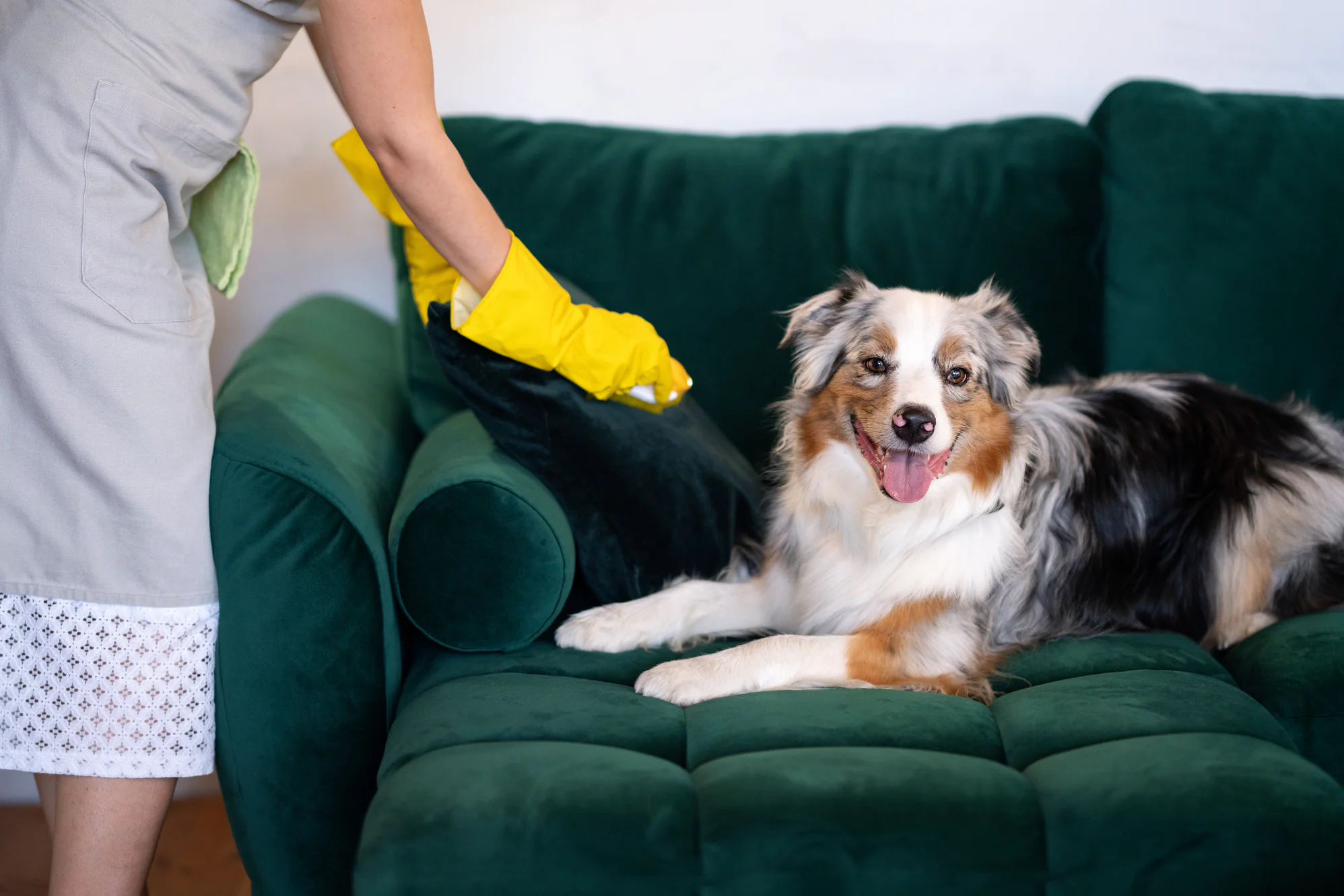
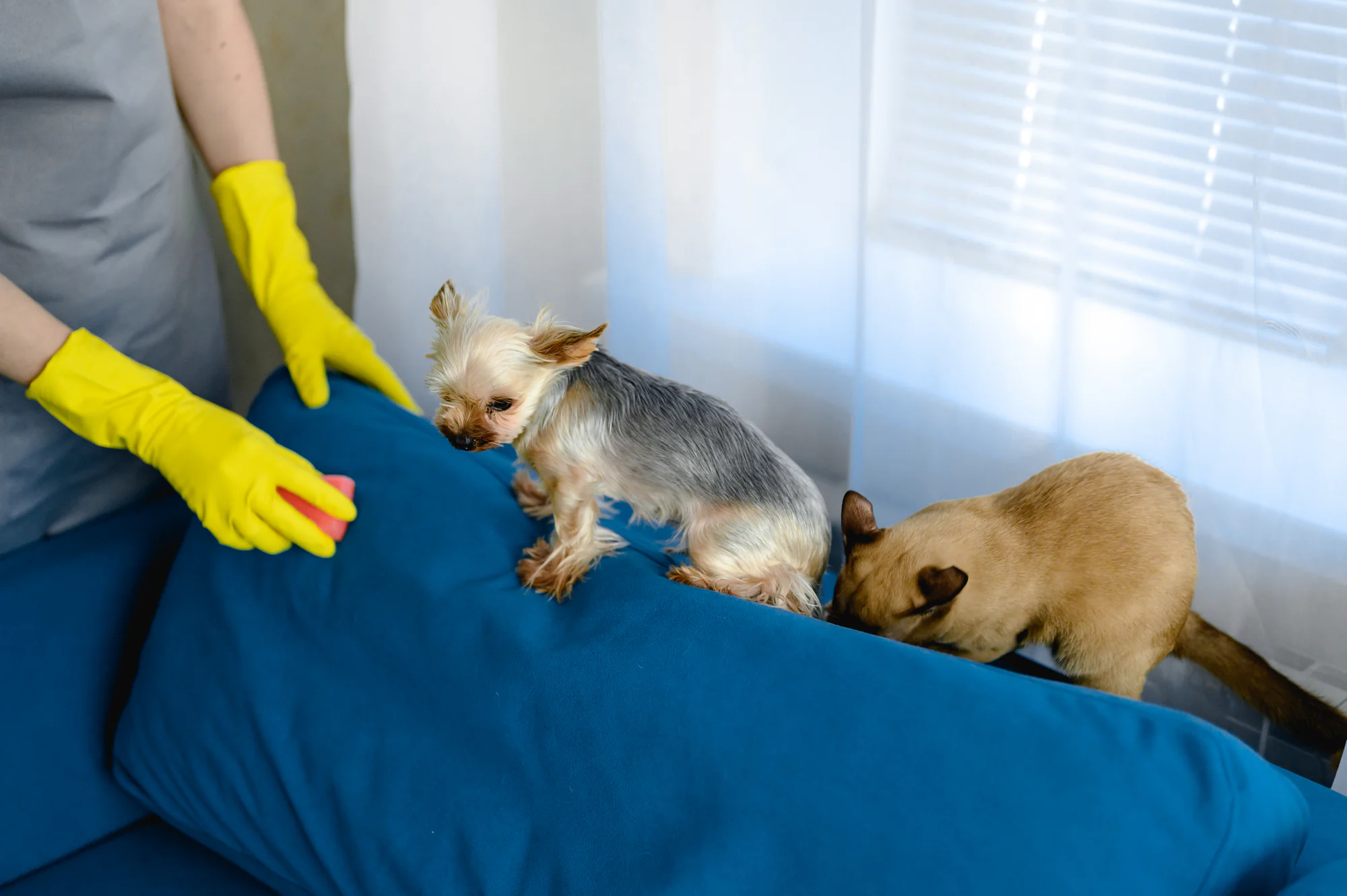
Pay attention to where your pets spend most of their time. If your dog has a favorite spot on the couch or your cat always naps on a particular chair, those areas will accumulate more dander than others. Covering furniture with washable throws or blankets that you can toss in the laundry weekly helps contain the problem. Choose furniture with smooth, wipeable surfaces over upholstered pieces when possible, as fabric traps allergens much more effectively than leather or wood.
Weekly Maintenance Tasks for Allergen Control
Between professional cleanings, your weekly routine should focus on preventing dander buildup in the areas where it accumulates fastest. If you have a vacuum with a HEPA filter at home, use it at least once or twice a week on all carpeted areas, rugs, and upholstered furniture. Pay special attention to the spaces where your pets spend the most time and where you spend the most time.
When you vacuum, go slowly. Quick, rushed vacuuming doesn’t give the machine time to actually pull particles out of carpet fibers. Multiple slow passes over the same area are more effective than racing through the job. And if your vacuum has different attachments, use them. The upholstery tool for furniture, the crevice tool for baseboards and tight corners—these attachments exist for a reason.
Wash your pet’s bedding, toys, and any blankets they use regularly in hot water. Hot water kills dust mites and helps remove dander more effectively than cold water. If your pet has fabric toys or items that can’t be washed, consider running them through the dryer on high heat, which can help reduce allergen levels.
Dust surfaces with a damp microfiber cloth rather than a dry one. The moisture helps trap particles instead of sending them airborne. Focus on surfaces at different heights—not just tables and countertops, but also baseboards, windowsills, ceiling fan blades, and the tops of door frames. Dander is lightweight and travels on air currents, so it settles at all levels.
Change your HVAC filters regularly—at least every 60 days if you have one pet, more often if you have multiple pets. Your heating and cooling system circulates air throughout your entire home, and the filter is your first line of defense against airborne allergens. Consider upgrading to filters with a MERV rating of 11 or higher, which are designed to capture smaller particles including pet dander.
Mop hard floors weekly with a damp mop rather than a dry dust mop or broom. Sweeping and dry mopping tend to kick dust and dander into the air. A damp mop actually picks it up. If you’re using a cleaning solution, make sure it’s pet-safe—many conventional floor cleaners contain chemicals that can be harmful to animals.
Keep clutter to a minimum. Every knickknack, stack of papers, or pile of items on the floor is another surface where dander can settle and hide. The less stuff you have sitting out, the easier it is to clean effectively and the fewer places allergens have to accumulate.
Choosing the Right Pet-Friendly House Cleaning Services in DuPage County
Not all cleaning services are equipped to handle pet dander and allergen management effectively. When you’re looking for house cleaning services in DuPage County, you want a company that specifically understands the challenges pet owners face and has the right tools and expertise to address them.
Look for services that explicitly mention using HEPA-filtered vacuums and non-toxic, pet-safe cleaning products. Ask about their experience with allergy cleaning services and what their process includes. A company that truly understands pet-friendly cleaning will be able to explain how they address dander on multiple surfaces, not just floors and visible areas.
Experience matters. A cleaning service with 15+ years in the DuPage County area has seen every type of home, every pet situation, and every allergen challenge the local climate presents. We understand how seasonal changes affect indoor allergen levels and how different home layouts require different approaches.
For pet owners in Naperville and throughout DuPage County who are tired of choosing between their beloved pets and breathing comfortably, professional maid service for pet owners offers a real solution. With the right combination of expert cleaning, proper equipment, and consistent maintenance, you can create a home where both you and your furry family members thrive.
At SparkMaids LLC, we bring over 15 years of experience serving DuPage County with eco-friendly, pet-safe cleaning solutions designed specifically for homes like yours. Our use of HEPA-filtered vacuums, microfiber technology, and non-toxic products means your pets stay safe while your home gets the deep, allergen-reducing clean it needs.