Summary:
You’re trying to budget for commercial cleaning, and every quote you get seems to land in a different range. One company quotes by the hour. Another uses square footage. A third offers monthly packages that sound convenient but make it hard to compare apples to apples.
Commercial Cleaning Services Cost Breakdown for DuPage County
Most DuPage County businesses pay between $715 and $2,800 per month for commercial cleaning, depending on facility size and how often they need service. A small office under 5,000 square feet might run $200 to $600 monthly for weekly cleaning, while a 10,000-square-foot space with nightly service can easily hit $1,200 to $2,800 or more.
The wide range isn’t arbitrary. Your actual cost depends on measurable factors like square footage, how many restrooms and break rooms you have, whether your layout is open or divided into cubicles, and how much foot traffic your space sees daily. High-traffic areas need more attention, which means more labor hours and higher office cleaning costs.
Location matters too. DuPage County sits in a competitive market where labor costs and demand influence pricing. You’re not paying Chicago downtown rates, but you’re also not in a rural area where overhead runs lower. Understanding where your facility falls in this range helps you evaluate whether a quote is fair or inflated.
How commercial cleaning pricing models work
Commercial cleaning companies use three main pricing models, and knowing the difference helps you compare quotes accurately. The most common is per-square-foot pricing, where you pay based on the size of your facility—typically $0.07 to $0.25 per square foot per visit. This model works well for offices and retail spaces because it’s easy to scale and gives you a clear baseline as your space grows.
Hourly pricing runs $25 to $90 per hour depending on the region, team size, and type of facility. This model makes sense for one-time deep cleans or unpredictable scopes where the time required isn’t clear upfront. The downside is that costs can vary from visit to visit, making it harder to budget long-term.
Flat monthly contracts offer the most predictability. You pay a set fee each month regardless of minor fluctuations in time or effort. This works best for recurring service agreements where both you and the cleaning company know exactly what’s included. It stabilizes your budget and eliminates surprise invoices.
Some companies also offer tiered packages—basic, standard, and premium—that bundle services at different price points. This makes it easier to see what you’re getting at each level and choose the package that matches your actual needs without paying for extras you don’t use.
The key is making sure the pricing model matches how your facility actually operates. If your needs are consistent and predictable, a flat monthly rate usually delivers better value. If your space or schedule fluctuates, per-visit or hourly pricing might offer more flexibility.
What's included in standard commercial cleaning rates
When you see a base rate for commercial cleaning, it typically covers routine janitorial tasks: vacuuming and mopping floors, dusting surfaces, emptying trash and recycling bins, cleaning and sanitizing restrooms, and wiping down common areas like break rooms and reception desks. These are the foundational tasks that keep your facility presentable and hygienic on a day-to-day basis.
What’s usually not included—and where costs can add up—are specialty services like carpet shampooing, window washing (especially exterior windows), floor waxing and buffing, high-touch disinfection beyond standard cleaning, and deep cleaning of kitchens or specialized equipment. These services require additional time, specialized equipment, or specific training, so they’re typically quoted separately or offered as add-ons.
The number of restrooms and kitchens in your facility also affects the baseline cost. These areas take significantly more time and labor to clean properly than open office space or hallways. A 5,000-square-foot office with one restroom will cost less to clean than the same square footage with three restrooms and two break rooms.
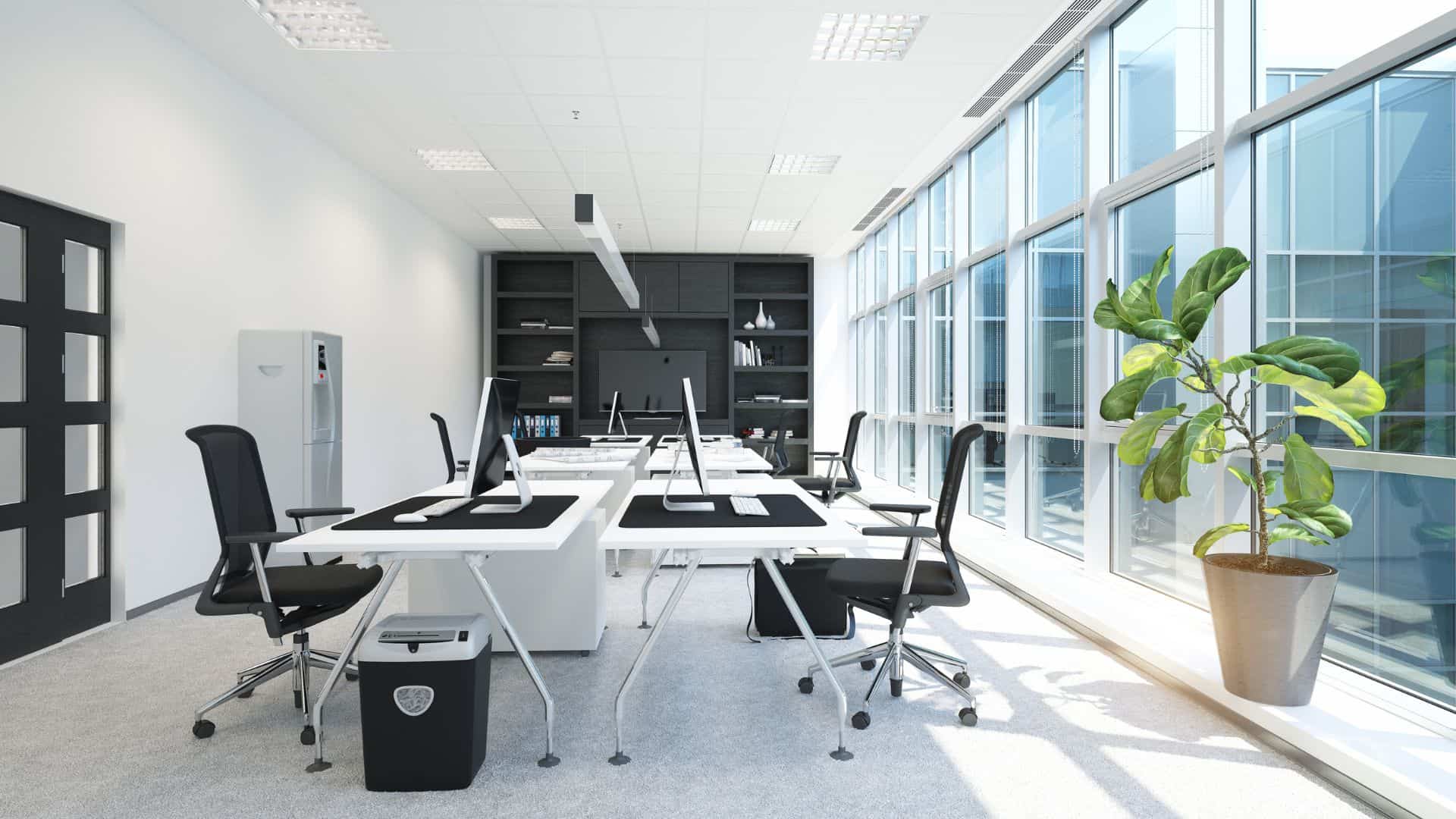
Layout matters more than most people realize. An open floor plan with minimal furniture is faster and easier to clean than a space divided into dozens of cubicles or private offices. More surfaces, more corners, and more obstacles all add time, which adds cost.
If your business has specific requirements—like eco-friendly products, after-hours cleaning to avoid disrupting operations, or compliance with industry regulations for medical or food service facilities—expect those to influence your quote. These aren’t upsells; they’re legitimate cost drivers that reflect the extra care, products, or scheduling complexity your facility requires.
Understanding what’s standard versus what’s extra helps you evaluate quotes more accurately. If one company’s rate seems unusually low, check whether they’re actually including everything you need or if you’ll face add-on charges later.
Want live answers?
Connect with a Spark Maids LLC expert for fast, friendly support.
Commercial Cleaning Rates: Factors That Affect Your Quote
Your commercial cleaning quote isn’t pulled from thin air. It’s based on specific, measurable factors that directly impact how much time, labor, and resources your facility requires. The biggest driver is facility size, but it’s not the only one.
Cleaning frequency plays a major role. Daily service costs more in total than weekly service, but the per-visit rate often drops because routine cleaning prevents heavy buildup. A facility cleaned five times a week might pay $0.10 per square foot per visit, while the same space cleaned once a week could run $0.15 to $0.20 per visit because each session requires more intensive work.
The type of business you run also matters. Standard office cleaning is typically the most economical per square foot because the work is straightforward. Medical facilities, restaurants, and industrial spaces require stricter sanitation standards, specialized products, and sometimes compliance documentation—all of which increase commercial cleaning rates. You’re not being overcharged; you’re paying for the expertise and accountability those environments demand.

Square footage and layout impact on pricing
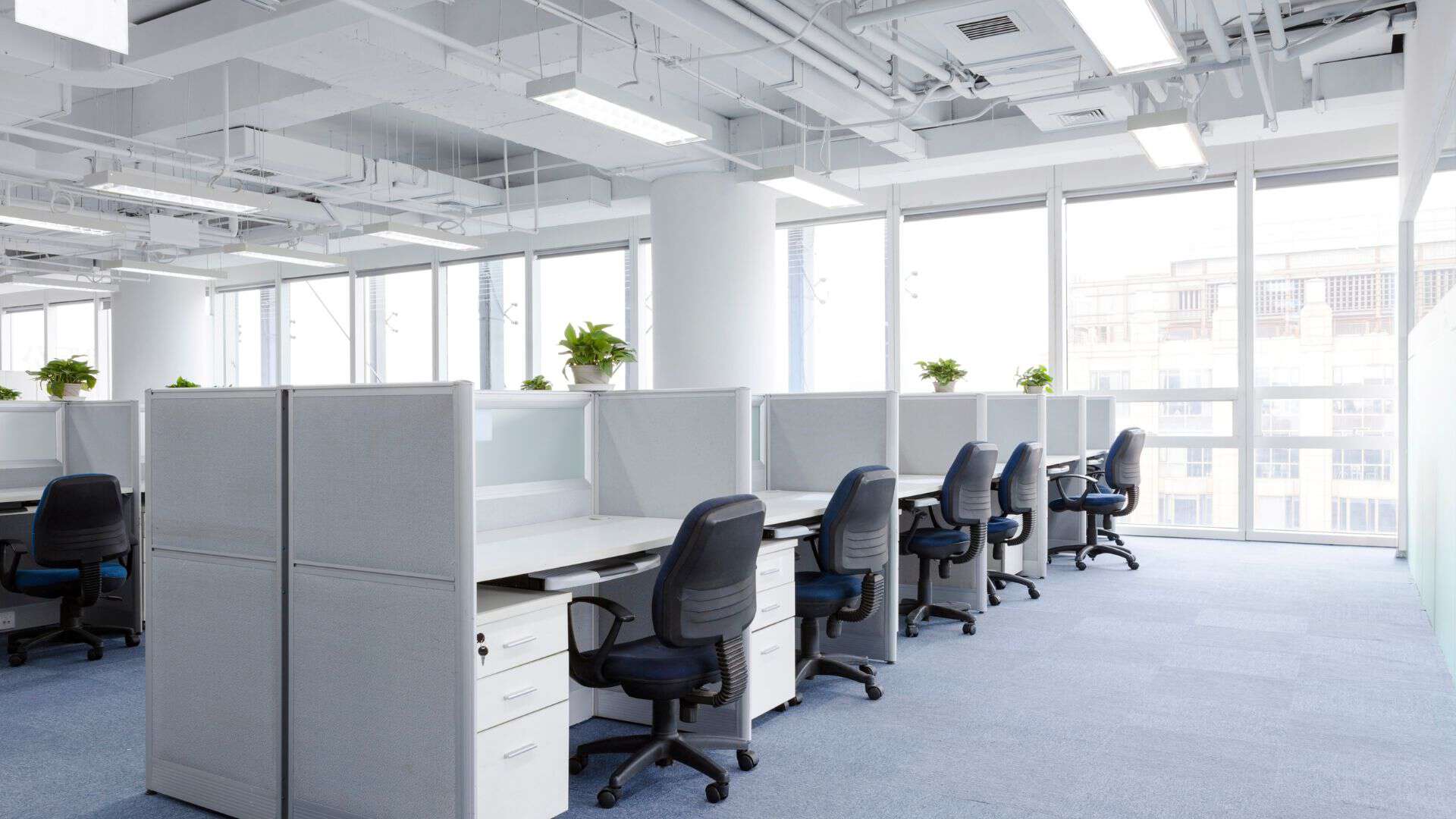
Square footage gives you a baseline, but layout determines how efficiently that space can be cleaned. A 10,000-square-foot warehouse with wide-open floors and minimal furniture can be cleaned faster than a 10,000-square-foot office packed with cubicles, private offices, conference rooms, and storage areas. More obstacles mean more time maneuvering equipment, more surfaces to dust and wipe, and more detail work.
Restrooms and kitchens are the most labor-intensive areas in any commercial facility. They require thorough sanitization, restocking supplies, and attention to high-touch surfaces like faucets, door handles, and countertops. The more of these spaces you have, the higher your overall cost. A facility with one restroom for every 5,000 square feet will cost less to maintain than one with a restroom on every floor.
Foot traffic also drives cost. A busy retail store or medical office with constant customer flow accumulates dirt, debris, and germs faster than a low-traffic corporate office. High-traffic facilities often need more frequent cleaning or more intensive service during each visit to maintain the same level of cleanliness.
Accessibility matters too. If your facility requires cleaners to work around operating hours, navigate security protocols, or access multiple floors or buildings, that adds complexity and time. After-hours cleaning is common for offices that don’t want disruption during business hours, but it often comes with a slight premium because it limits scheduling flexibility.
Specialized flooring or surfaces can also affect pricing. Standard vinyl or tile floors are straightforward to maintain. Hardwood, polished concrete, or specialty flooring may require specific products or techniques that add time and cost. The same goes for delicate furnishings, expensive finishes, or areas that require extra care.
The takeaway: two facilities with the same square footage can have very different cleaning costs based on layout, usage, and complexity. When you’re comparing quotes, make sure the company has actually walked your space and understands what’s involved. A quote based solely on square footage without a site visit is usually a red flag.
Cleaning frequency and contract terms
How often you schedule cleaning has a direct impact on both your per-visit cost and your total monthly expense. Daily cleaning typically offers the lowest per-visit rate because the work is lighter and more routine. Dirt and debris don’t have time to build up, so each session is faster and more efficient. However, your total monthly cost will be higher simply because you’re paying for more visits.
Weekly or bi-weekly cleaning costs more per visit because the cleaning crew has to tackle a week’s worth of buildup instead of just one day’s. Floors need more intensive mopping, restrooms require deeper sanitization, and dust accumulates on surfaces that would stay cleaner with daily attention. But your total monthly cost is lower because you’re paying for fewer visits.
The sweet spot depends on your facility’s usage. High-traffic offices, medical facilities, and customer-facing businesses usually benefit from daily or near-daily cleaning to maintain a professional appearance and meet health standards. Lower-traffic corporate offices or administrative spaces often do fine with two or three cleanings per week.
Contract length also affects pricing. Short-term or on-demand cleaning typically costs more per visit because we can’t rely on predictable revenue or efficient scheduling. Long-term contracts—usually 6 to 12 months—often come with lower rates because we can plan staffing, routes, and supplies more efficiently. You’re essentially getting a volume discount in exchange for commitment.
Monthly contracts offer the most budget predictability. You pay a flat fee each month regardless of minor variations in time or effort, which makes it easier to forecast expenses and avoid surprise invoices. This model works best when your cleaning needs are consistent and you value stability over flexibility.
Some companies offer seasonal adjustments or tiered contracts that scale service up or down based on your occupancy or business cycles. If your office sees heavier traffic during certain months or has periods of lower occupancy, this flexibility can help you avoid paying for more service than you actually need.
The key is matching your contract terms to your actual usage patterns and budget priorities. If consistency and predictability matter most, a flat monthly contract with a longer term usually delivers better value. If your needs fluctuate or you’re still testing a new provider, starting with a shorter term or per-visit pricing gives you more flexibility to adjust.
Getting transparent pricing for your commercial facility
Commercial cleaning costs in 2026 aren’t mysterious—they’re based on measurable factors like facility size, cleaning frequency, layout complexity, and the level of service your space requires. Understanding how pricing models work and what drives your specific quote helps you budget accurately and evaluate whether you’re getting fair value.
The most important thing isn’t finding the cheapest rate. It’s finding a provider who delivers consistent quality, transparent pricing, and the expertise to handle your facility’s specific needs without surprise fees or hidden costs. A slightly higher rate from a company with proven experience, professional certifications, and a satisfaction guarantee often delivers better long-term value than a low quote from a provider who cuts corners or adds charges later.
For DuPage County businesses looking for transparent commercial cleaning pricing backed by over 15 years of experience, eco-friendly practices, and BBB accreditation, we provide the expertise and accountability that protects your investment and keeps your facility consistently clean.