Summary:
What Makes Construction Dust Different From Household Dirt
Walk through your home after drywall sanding or tile work, and you’ll see fine white coating on everything. That’s not ordinary dust. Construction debris contains microscopic particles from drywall, concrete, grout, wood, and silica—each significantly smaller and more problematic than daily dirt.
The real issue is what you can’t see. Fine construction particles measure 0.3 microns or smaller—about 100 times smaller than a grain of sand. These stay airborne longer, penetrate deeper into your home’s systems, and require filtration technology most household vacuums lack.
When you run a standard vacuum over construction dust, you’re often relocating the problem. The vacuum picks up larger debris, but the finest particles pass through the filter and blow back into your air through the exhaust. You’re cleaning and contaminating simultaneously.
Why Household Vacuums Can't Handle Renovation Cleanup
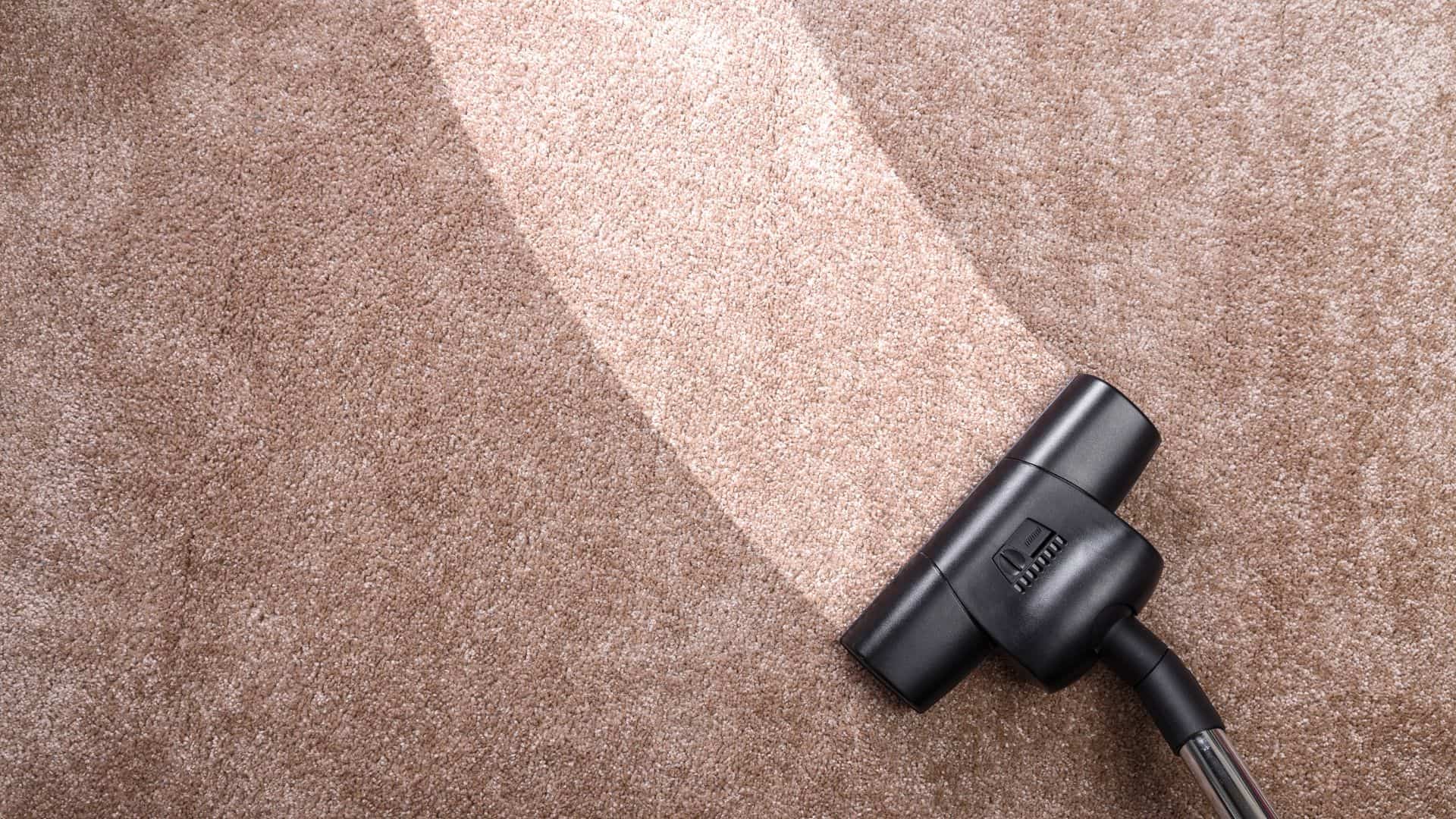
Your vacuum handles pet hair and crumbs just fine because it was designed for those materials. Construction dust is different. The particles are so fine they don’t just clog filters—they damage motors.
Here’s what happens. Ultra-fine particles get sucked in, but many pass through standard filters. Some settle into the motor housing, causing friction and wear. Others blow back out through the exhaust, spreading dust to areas you haven’t touched yet.
Even high-end vacuums with HEPA filters struggle. The volume of fine particles clogs HEPA filters fast, reducing suction and forcing the motor to work harder. That strain kills your vacuum’s lifespan. Many homeowners learn this after one drywall cleanup session leaves their expensive machine permanently weakened.
Filter clogging happens quickly. What normally takes months of use happens in a single post-construction session. Once saturated with microscopic particles, your vacuum loses suction. You’re left with noise but no cleaning power.
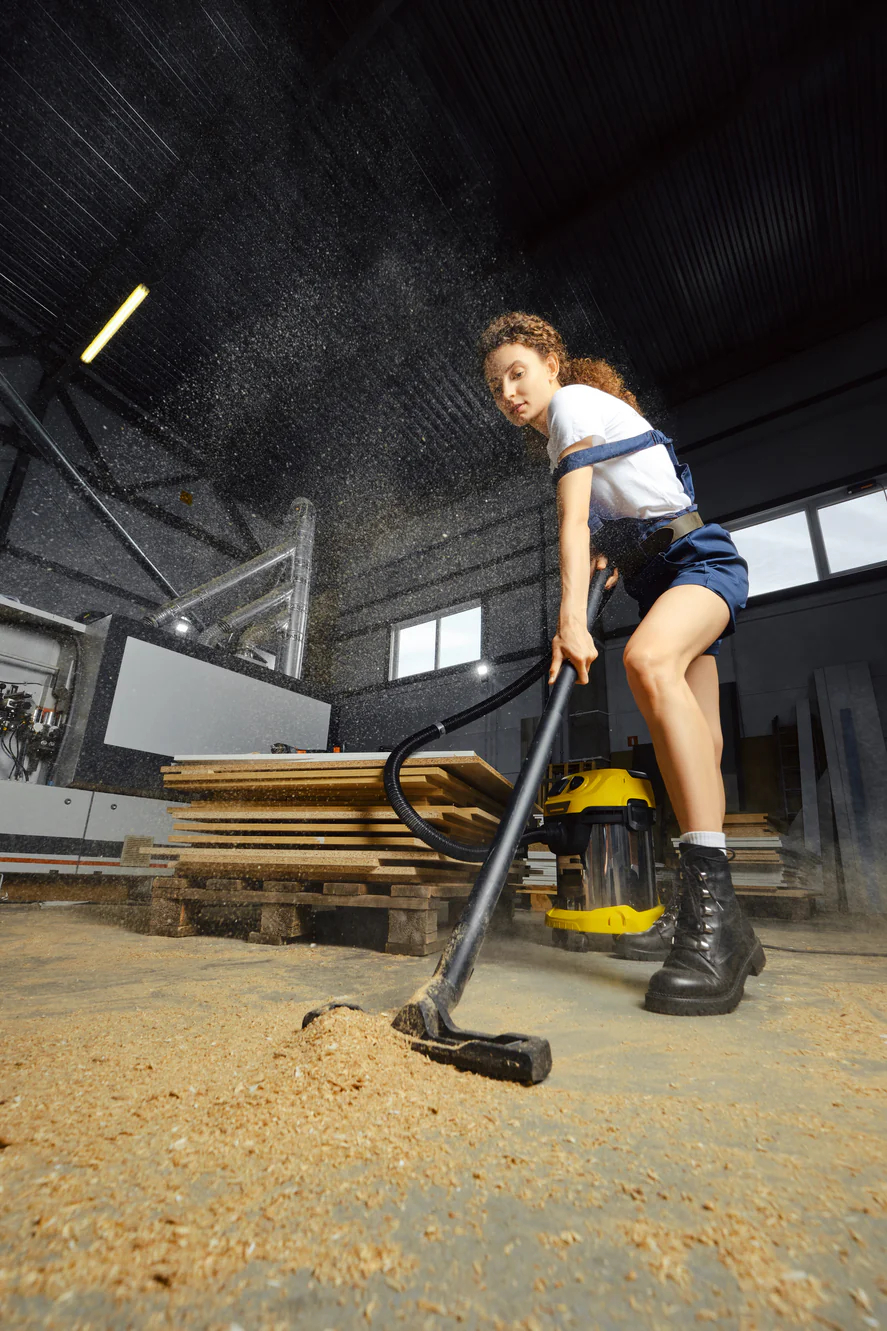
Shop vacs handle volume better but lack fine filtration. Result? Dust gets sucked in, then blown right back out. You can watch the cloud billow behind the machine as you work.
This isn’t about technique. It’s equipment. Household vacuums weren’t engineered for post-construction particle removal. They’re built for maintenance, not industrial cleanup.
Silica Dust Health Risks in Naperville and Wheaton Homes
Not all construction dust is equal. Some poses serious health risks beyond mess. Silica dust—released when cutting, grinding, or drilling concrete, tile, brick, or stone—is particularly dangerous. This isn’t scare tactics. It’s occupational health data that applies to your home.
Crystalline silica is common in sand, stone, concrete, and mortar. When disturbed during renovation, these release respirable crystalline silica—particles small enough to reach deep into lungs. Once there, they don’t break down or filter out. They accumulate.
Extended silica exposure causes silicosis, a progressive lung disease that scars tissue and makes breathing difficult. There’s no cure. The damage is permanent. Silica exposure also links to lung cancer, COPD, and kidney disease. OSHA sets strict exposure limits for construction workers for this reason.
You might think you’re just cleaning your house, not working construction. But dust doesn’t distinguish. If you’re in a space with airborne silica—whether creating it or cleaning it—you’re exposed.
Risk increases with inadequate cleaning. A standard vacuum that blows dust back into air doesn’t just fail—it increases your exposure. Every pass circulates more particles into your breathing zone. You work hard, breathe heavily, inhale more.
This matters in areas like Naperville and Wheaton where renovations are common and property values encourage upgrades. Kitchen remodels involve cutting tile for backsplashes. Bathroom renovations mean grinding grout and cutting cement board. Basement finishing creates concrete dust. Each introduces silica.
Children and pets face higher vulnerability. They’re closer to floors where dust settles. Smaller bodies mean lower tolerance. Kids playing on improperly cleaned floors, or pets grooming themselves and ingesting settled dust, face compounded risk.
Professional post-construction cleaning uses industrial HEPA systems capturing 99.97% of particles at 0.3 microns. That’s the filtration level required to actually contain silica dust rather than relocate it. It’s the difference between cleaning your home and protecting your home.
Want live answers?
Connect with a Spark Maids LLC expert for fast, friendly support.
How Professional Post-Construction Cleaning Works
Professional cleanup isn’t “thorough cleaning.” It’s a different process using different equipment, techniques, and understanding of what construction dust requires. The goal isn’t just visual cleanliness—it’s measurable cleanliness at the microscopic level.
Equipment makes the first difference. We use industrial HEPA vacuum systems, not household models. These machines are built specifically for fine particulate removal, with multi-stage filtration trapping particles at 0.3 microns. Motors are more powerful, filters larger and more sophisticated, containment systems sealed to prevent dust escape.
The process starts with dry removal of heaviest debris, working top to bottom so particles fall to uncleaned areas. Ceilings, light fixtures, vents get addressed first. Then walls, trim, surfaces. Floors come last.
What Industrial HEPA Systems Do That Your Vacuum Can't
HEPA means High-Efficiency Particulate Air—not marketing language. True HEPA filtration captures 99.97% of particles at 0.3 microns. That’s the size range most likely to penetrate deep into lungs. That’s exactly what construction dust consists of.
Industrial HEPA systems exceed household vacuums in several ways. Filtration is multi-stage. Pre-filters catch larger particles before they reach HEPA filters, extending filter life and maintaining suction throughout jobs. The HEPA filter itself is larger with more surface area, handling higher fine dust volumes without clogging.
Motor power is significantly greater. Construction dust is heavy, especially with concrete or tile particles. Moving that material through hoses into containers requires sustained suction household vacuums can’t provide. Industrial systems maintain high CFM airflow even with dense dust loads.
Containment matters. Professional HEPA vacuums have sealed systems preventing air escape except through final HEPA exhaust filters. Household vacuums often have small gaps or unsealed joints where fine dust escapes. Fine for regular cleaning, problematic for silica dust.
Collection systems are another key difference. Many industrial HEPA vacuums use disposable bags that seal when removed, containing collected dust and preventing re-exposure during disposal. Critical when dealing with health-risk materials.
We combine HEPA vacuums with specialized equipment. HEPA air scrubbers filter room air during cleaning, continuously removing airborne particles and improving air quality in real time. Microfiber cloths trap fine particles rather than spreading them like traditional cotton rags do.
Technique matters as much as equipment. We work systematically, avoiding cross-contamination between cleaned and uncleaned areas. We understand which surfaces need wet versus dry cleaning, how to clean HVAC systems and ductwork where dust accumulates and circulates for months.
Why DuPage County Homeowners Choose Professional Cleanup
DuPage County has among Illinois’s highest home renovation rates, driven by strong property values and homeowners who invest in their spaces. Naperville, Wheaton, Downers Grove, and Hinsdale see constant kitchen remodels, bathroom upgrades, basement finishing. That means many homeowners face identical post-construction cleanup challenges.
Those who try DIY usually regret it. Not because they’re incapable—the job requires equipment and expertise they don’t have. Typical post-construction cleaning after a modest kitchen remodel takes a full weekend or more with household tools. At that weekend’s end, the job still isn’t done to professional levels achieved in hours.
Time is one factor. Health is another. DuPage County homeowners are well-informed about environmental and health issues. They understand air quality, allergens, construction material risks. When they learn what silica dust is and what it does, hiring professionals becomes obvious.
There’s also protecting your investment. After spending $25,000 on kitchen renovation or $15,000 on bathroom remodel, you don’t want to damage new finishes with improper cleaning. We know how to clean new tile without scratching, remove grout haze without damaging sealant, clean hardwood without residue or moisture damage.
Professional post-construction cleaning costs a fraction of renovation budgets. It’s the difference between moving into truly clean space versus one that looks clean but has dust circulating and settling for weeks. Homeowners who’ve tried both ways—DIY once, professional another—never return to DIY.
We understand specific post-construction challenges in DuPage County homes. We’ve handled every renovation mess type, from small bathroom updates to whole-home remodels. We know which materials create problematic dust, which areas homeowners miss, how to get homes truly move-in ready after contractors leave.
The process is straightforward. Schedule an assessment, get clear quotes based on project scope. We arrive with industrial equipment, work systematically through spaces, leave them cleaner than the day they were built. No dust on vents, no grit on floors, no film on windows. Just clean, healthy space ready to enjoy.
Getting Your Naperville Home Move-In Ready After Renovations
Your renovation is an investment in your home and quality of life. Cleanup shouldn’t undermine either. Professional post-construction cleaning ensures the space you’ve created is actually ready to use—not just visually clean, but genuinely free of fine particles and contaminants construction leaves behind.
The difference between DIY and professional service isn’t just convenience. It’s effectiveness, safety, protecting both health and investment. Industrial HEPA systems remove what household vacuums can’t. Trained teams know how to address every surface and system construction dust affects.
If you’ve recently completed renovation in DuPage County and face cleanup, consider what your time is worth—and what your family’s respiratory health is worth. Our post-construction cleaning eliminates guesswork, wasted effort, and health risks from inadequate DIY methods. You get truly clean home and time back to enjoy it.