Summary:
Why Medical Office Cleaning Requires Specialized Janitorial Services
Walk into any retail store or corporate office, and you’ll see clean floors and empty trash cans. That’s fine for those spaces. But medical offices operate under completely different rules.
Your waiting room isn’t just a place where people sit. It’s where patients with contagious illnesses wait next to immunocompromised individuals. Your exam rooms aren’t just offices—they’re clinical spaces where bodily fluids, medical instruments, and vulnerable patients intersect every single day.
Standard janitorial services focus on appearance. Healthcare janitorial services focus on infection prevention. There’s a massive difference, and it shows up in the protocols, the products, and the training required to do the job right.
What makes healthcare janitorial services different from commercial cleaning
The difference starts with understanding what you’re up against. Healthcare-associated infections affect roughly 1 in 31 patients on any given day. That’s not a hospital-only problem. Medical offices, dental practices, and outpatient clinics all face contamination risks that can spread between patients if cleaning protocols fall short.
Here’s what separates medical office space cleaning from standard commercial work. First, the products matter. Hospital-grade disinfectants aren’t optional—they’re essential. These EPA-registered solutions are formulated to kill pathogens that regular cleaners can’t touch. They work against bacteria, viruses, and fungi that linger on surfaces long after a patient leaves your exam room.
Second, the process is different. In a typical office, you might disinfect high-touch surfaces once a day. In a medical office, exam tables, doorknobs, and medical equipment need disinfection after every single patient. Waiting room furniture in an average commercial space might get wiped down monthly. In a healthcare setting, it needs attention every night—sometimes more often during flu season.
Third, cross-contamination prevention drives every decision. That means color-coded cleaning supplies so the mop used in a restroom never touches your exam room floor. It means understanding the proper sequence—always cleaning from the least contaminated areas to the most contaminated, never the reverse. It means staff trained to recognize when a space needs terminal cleaning versus routine maintenance.
The regulations back this up. CDC and OSHA don’t publish medical facility cleaning as a suggestion. They’re the standard. And when state inspectors or accreditation bodies review your practice, they’re checking whether your janitorial services meet those standards. Most commercial cleaning companies have never even read those guidelines. Healthcare janitorial services live by them.
You’re not just paying for someone to make your office look presentable. You’re investing in a system designed to protect patients, satisfy regulators, and keep your practice running without the nightmare of an infection outbreak traced back to inadequate cleaning. That’s the difference.
Terminal cleaning and clinical sanitization protocols for medical offices
You’ve probably heard the term “terminal cleaning” if you’ve looked into healthcare janitorial services. It sounds technical, but the concept is straightforward—and critical for any medical office serious about infection control.
Terminal cleaning is what happens at the end of the day or after a high-risk patient leaves. It’s not the quick wipe-down between appointments. It’s a comprehensive, top-to-bottom disinfection of the entire clinical space. Every surface. Every piece of equipment. Every corner that could harbor pathogens.
The process is methodical. It starts with removing all detachable items and disinfecting them separately. Then the cleaning moves from ceiling to floor—light fixtures, air vents, walls, countertops, cabinetry, medical equipment, chairs, exam tables, sinks, and finally the floors. Nothing gets skipped. The goal is to eliminate any trace of contamination before the next patient ever enters that space.
This isn’t about making a room look clean. It’s about making it clinically safe. Studies show that contaminated surfaces can harbor viable pathogens for days. A doorknob, a blood pressure cuff, even a computer keyboard can become a vector for cross-contamination if it’s not properly disinfected. Terminal cleaning addresses that risk systematically.
Clinical sanitization goes beyond terminal cleaning. It’s the daily discipline of maintaining sterile conditions in spaces where patients receive care. That means disinfecting exam tables between every patient. Wiping down otoscopes, stethoscopes, and blood pressure cuffs after each use. Ensuring that high-touch surfaces like light switches, door handles, and countertops get attention multiple times throughout the day—not just at closing time.
For dental offices in DuPage County, IL, the standards are even more rigorous. Operatory chairs, dental tools, suction equipment, and surrounding surfaces all need meticulous attention. Aerosols generated during dental procedures can spread contaminants across a wider area than most people realize, which makes thorough disinfection non-negotiable.
Here’s what this looks like in practice. Your janitorial team should arrive with hospital-grade disinfectants that meet EPA standards for healthcare use. They should know the required contact time—how long the disinfectant needs to stay wet on a surface to actually kill pathogens. Spoiler: it’s longer than most people think, usually between two and ten minutes depending on the product.
They should also be using the right tools. HEPA-filtered vacuums trap microbes instead of redistributing them into the air. Microfiber cloths pick up contaminants more effectively than traditional rags. Color-coded supplies prevent cross-contamination between clean and dirty areas.
And they should be trained to recognize the difference between routine cleaning and situations that require enhanced protocols. If a patient vomits in your waiting room, that’s not a routine cleanup. If there’s visible blood or bodily fluids, that requires specific procedures and PPE to handle safely.
Terminal cleaning and clinical sanitization aren’t luxuries. They’re the baseline for any medical office that takes patient safety seriously. When you’re evaluating janitorial services, ask about these protocols specifically. If the company can’t explain their process in detail, that’s your signal to keep looking.
Want live answers?
Connect with a Spark Maids LLC expert for fast, friendly support.
Preventing Cross-Contamination in Waiting Rooms and Exam Rooms
Cross-contamination is the invisible threat that keeps healthcare administrators up at night. It’s the transfer of bacteria, viruses, or other pathogens from one surface or person to another. And in a medical office, the opportunities for it to happen are everywhere.
Your waiting room is ground zero. Patients with respiratory infections sit three feet away from elderly patients with weakened immune systems. A child with a stomach bug touches a magazine that another patient picks up ten minutes later. Someone coughs into their hand, then opens the door to the restroom. Each of these moments creates a potential pathway for infection.
Exam rooms aren’t much better. A patient sits on an exam table. The doctor touches the patient, then touches a computer keyboard, then a doorknob. The next patient comes in and the cycle starts again. Without proper cleaning protocols between each patient, you’re essentially allowing contaminants to accumulate throughout the day.
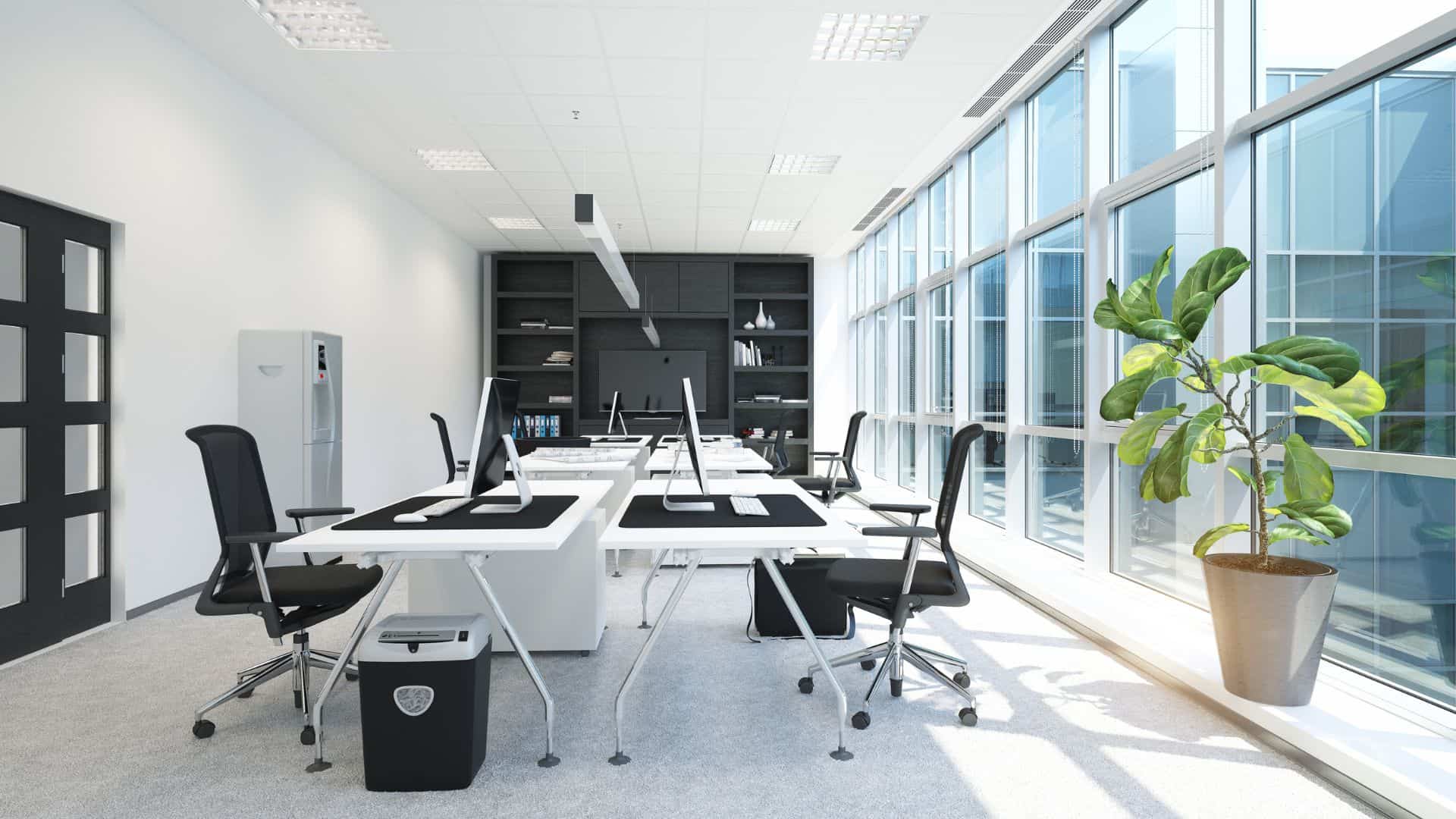
How proper janitorial services stop the spread of infection
Stopping cross-contamination requires a multi-layered approach, and your janitorial services play a central role in making it work.
Start with high-touch surfaces. These are the spots that multiple people contact throughout the day—doorknobs, light switches, armrests, reception counters, pen holders, credit card terminals. In a medical office, these surfaces need disinfection multiple times per day, not just at night. Some practices have janitorial staff do mid-day touch-ups during lunch breaks or slower periods. Others train front-desk staff to wipe down the reception area between patient waves.
The waiting room furniture deserves special attention. In a typical commercial office, you might clean chairs and tables once a week. In a medical office, every chair, table, and magazine rack should be disinfected daily at minimum. During cold and flu season, twice daily isn’t overkill—it’s smart infection control.
Exam rooms require even more rigorous protocols. After each patient, the exam table, chairs, countertops, sinks, and any medical equipment used during the visit need thorough disinfection. This isn’t a quick spray-and-wipe. It’s applying hospital-grade disinfectant, letting it sit for the required contact time, and then wiping it clean. Skipping this step or rushing through it creates infection risks that compound throughout the day.
Restrooms are another critical area. They need cleaning multiple times daily in a busy practice. That means disinfecting toilets, sinks, faucets, door handles, and light switches. It also means checking supplies regularly—soap, paper towels, and hand sanitizer should never run out during operating hours.
Here’s where professional healthcare janitorial services make a measurable difference. They bring systems that prevent mistakes. Color-coded cleaning cloths and mops ensure that tools used in restrooms never touch clinical areas. Proper sequencing means they clean from the cleanest areas to the dirtiest, preventing contamination spread. And they use the right products—not all-purpose cleaners that smell nice but don’t actually kill pathogens.
Training matters too. A janitorial team trained in healthcare protocols understands the stakes. They know that cutting corners doesn’t just leave a room looking less than perfect—it creates real health risks. They know how to handle spills of bodily fluids safely. They know when to use standard PPE and when enhanced protection is needed.
Your medical office can’t afford to treat cleaning as an afterthought. Cross-contamination doesn’t take days off. It doesn’t care if you’re short-staffed or running behind schedule. The only way to consistently prevent it is through disciplined, professional janitorial services that follow healthcare-specific protocols every single day.
DuPage County medical offices need local janitorial expertise
DuPage County’s medical landscape creates specific demands for healthcare janitorial services. The area serves a diverse population with varying health needs, from routine pediatric care to specialized treatments for chronic conditions. That diversity means your practice likely sees a wide range of patients—and a wide range of potential contaminants—walking through your door every day.
The density of medical facilities in areas like Naperville, IL, Wheaton, Downers Grove, and surrounding communities also means competition for quality janitorial services. Not every cleaning company understands healthcare requirements. Some will promise they can handle your medical office, then show up with the same crew and products they use for retail stores. That’s a recipe for problems.
Local regulations add another layer. Illinois has specific requirements for healthcare facility cleaning, and DuPage County health inspectors know what to look for during reviews. If your janitorial services don’t meet those standards, you’re the one who faces consequences—not the cleaning company.
Seasonal factors matter too. Cold and flu season hits hard in the Midwest. During peak illness months, your cleaning protocols need to intensify. That might mean additional daily cleanings of high-touch surfaces, enhanced disinfection of waiting areas, or more frequent restocking of hand sanitizer stations. A janitorial service familiar with DuPage County, IL medical offices understands these seasonal demands and adjusts accordingly.
Then there’s the practical reality of scheduling. Medical offices operate on tight timelines. You can’t have cleaning crews disrupting patient appointments or blocking hallways during business hours. Most healthcare janitorial services work after hours, coming in after your last patient leaves and finishing before your first morning appointment. That requires coordination, reliability, and respect for your schedule—qualities that separate professional healthcare cleaning services from generic commercial options.
The right janitorial partner doesn’t just show up and clean. They become part of your patient safety strategy. They communicate when they notice potential issues—a damaged floor tile that could trip someone, a leaky faucet that could harbor mold, a supply closet that needs better organization. They adapt when your needs change, whether that’s adding a new exam room or adjusting protocols during an outbreak.
For medical and dental offices in DuPage County, IL, choosing janitorial services isn’t about finding the cheapest option. It’s about finding a partner who understands what’s at stake, follows the protocols that keep patients safe, and delivers consistent results you can count on. Your patients deserve that level of care. Your practice depends on it.
Choosing the Right Janitorial Services for Your DuPage Medical Office
Your medical office cleaning needs aren’t the same as a law firm or retail store. You’re dealing with patient safety, regulatory compliance, and infection risks that require specialized knowledge and protocols. Generic commercial cleaning won’t cut it, no matter how affordable it seems.
The right healthcare janitorial services bring hospital-grade disinfectants, trained staff who understand cross-contamination prevention, and terminal cleaning protocols that actually protect your patients. They work around your schedule, follow CDC and OSHA guidelines, and give you one less thing to worry about while you focus on delivering quality care.
We’ve served DuPage County, IL medical and dental practices for over 15 years with the specialized cleaning protocols healthcare facilities require. When patient safety and practice reputation are on the line, experience matters.