Summary:
What Makes Deep Cleaning Different from Regular Maintenance
Regular maintenance cleaning keeps your home presentable day to day. You dust visible surfaces, vacuum traffic areas, and clean obvious messes. It’s the weekly routine that prevents chaos—but it’s rarely enough when preparing for a relocation or lease turnover, which is where move-in or move-out cleaning services become essential.
Deep cleaning goes after what maintenance misses. It’s the difference between wiping down your bathroom mirror and actually scrubbing soap scum from shower corners, or vacuuming around furniture versus moving it to clean underneath. This level of detail is exactly what professional move-in and move-out cleaning focuses on.
The goal isn’t just clean—it’s reset. Deep cleaning brings your home back to a baseline that makes regular maintenance actually effective, ensuring the space is truly ready for new occupants or final inspections.
Why DuPage County Homes Need Both Approaches
Living in DuPage County means dealing with specific challenges that make both cleaning approaches essential. Our beautiful tree-lined neighborhoods create seasonal allergen buildup that settles into carpets, upholstery, and forgotten corners. Those gorgeous forest preserves we love? They also mean more pollen, dust, and outdoor debris making its way inside.
Then there’s winter. Road salt and slush get tracked through your home for months, leaving residue that builds up in entryways, on baseboards, and in carpet fibers. Regular maintenance handles the obvious spots, but deep cleaning addresses the accumulated grime that embeds over time.
Your maintenance routine might include mopping floors weekly, but deep cleaning means moving appliances to clean underneath, scrubbing grout lines, and addressing the salt stains that have worked their way into corners. It’s the difference between surface clean and genuinely clean.
Most DuPage County residents find that starting with a seasonal deep cleaning or a thorough initial deep clean, then maintaining with regular weekly or bi-weekly service, keeps their homes consistently fresh. The deep clean establishes a baseline. Maintenance preserves it.
When Your Home Actually Needs Deep Cleaning
You know it’s time for deep cleaning when regular maintenance doesn’t seem to be enough anymore. Maybe your bathroom still feels grimy after your weekly clean. Or dust reappears on surfaces within days of dusting. These are signs that buildup has reached the point where surface cleaning can’t address it.
Seasonal transitions are natural deep cleaning times. After winter, when months of salt, slush, and closed windows have left their mark. Before hosting holidays or special events. When moving into a new home or preparing to sell.
Life changes often trigger the need for deep cleaning too. After illness, when you want to eliminate germs completely. Following home renovations that have left construction dust in every crevice. When allergies are acting up and you suspect environmental triggers.
The key is recognizing that deep cleaning isn’t about cleaning failure. It’s about addressing the natural accumulation that happens despite good maintenance habits. Even the most diligent weekly cleaning can’t prevent the gradual buildup that settles into grout, gathers behind appliances, or embeds in upholstery fibers.
We often recommend starting with deep cleaning, then transitioning to maintenance schedules. This approach ensures you’re maintaining actual cleanliness, not just maintaining the appearance of cleanliness.
Want live answers?
Connect with a Spark Maids LLC expert for fast, friendly support.
The 8 Essential Deep Cleaning Tasks That Make the Difference
While maintenance cleaning focuses on visible surfaces and high-traffic areas, deep cleaning addresses the spaces that accumulate grime over time. These eight tasks define the difference between basic upkeep and thorough restoration.
Each task targets areas that regular cleaning typically skips—not because you’re doing anything wrong, but because they’re time-intensive and don’t need weekly attention. Understanding these tasks helps you recognize what you’re getting when you invest in professional deep cleaning.

Tasks 1-4: Kitchen and Bathroom Deep Cleaning Essentials
Task 1: Inside Appliance Cleaning goes beyond wiping exteriors. This means cleaning inside your oven, removing refrigerator shelves to scrub thoroughly, and descaling your dishwasher. Regular maintenance might include wiping down the outside of your microwave, but deep cleaning involves steam-cleaning the interior to remove cooked-on food splatters.
Task 2: Grout and Tile Restoration addresses the discoloration that builds up despite regular bathroom cleaning. Deep cleaning involves scrubbing grout lines with specialized brushes and solutions, removing soap scum that has hardened over time, and restoring the original color of tile surfaces.
Task 3: Cabinet and Drawer Interior Cleaning tackles spaces that rarely get attention during regular cleaning. This includes removing everything from kitchen cabinets and bathroom vanities, wiping down interior surfaces, and organizing contents. It’s about cleaning the spaces where spills and dust accumulate unnoticed.
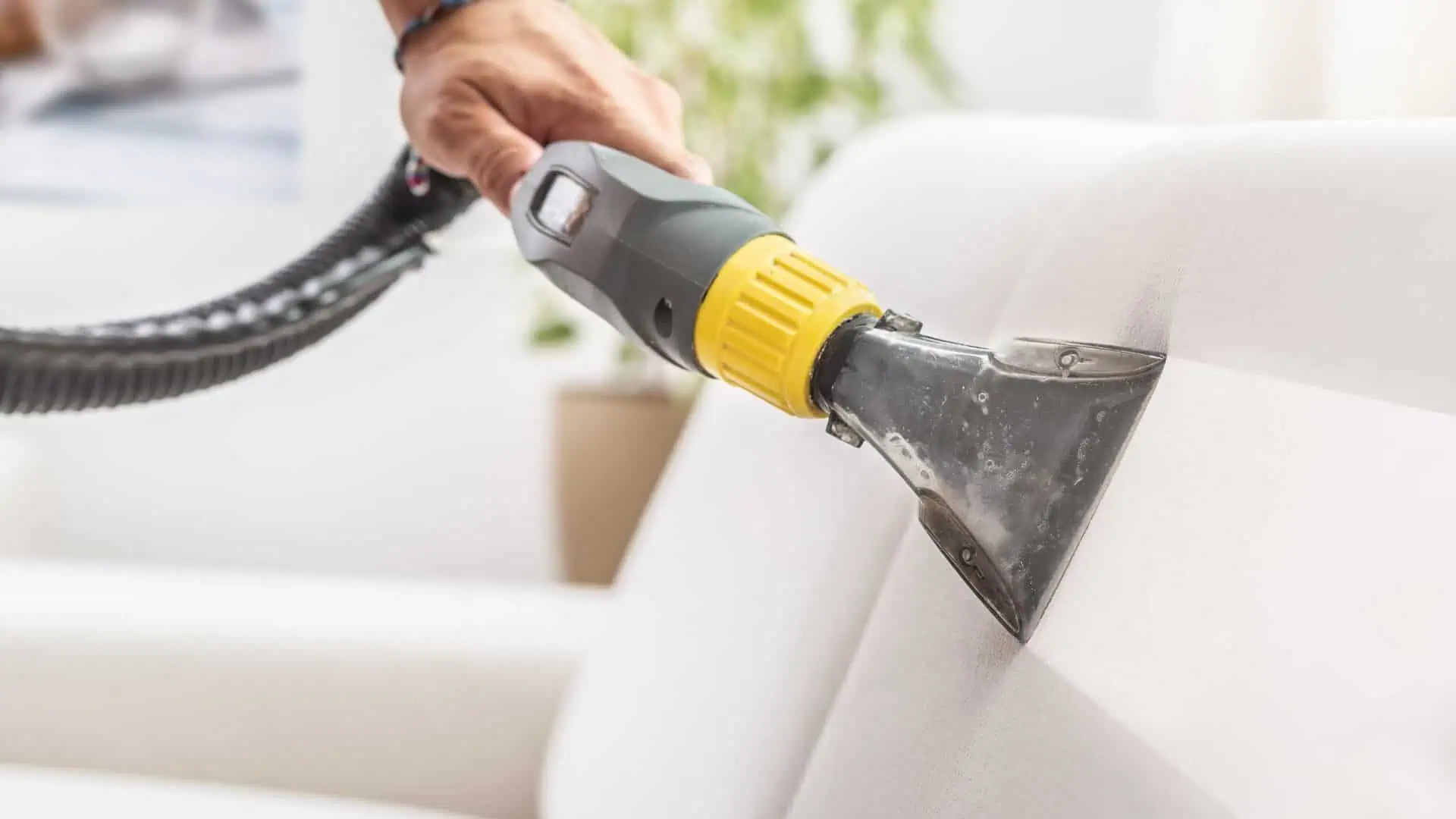
Task 4: Fixture and Hardware Deep Clean involves removing mineral deposits from faucets, showerheads, and light fixtures. Regular cleaning might include wiping these items down, but deep cleaning addresses the buildup that affects both appearance and function. This includes descaling showerheads and polishing fixtures to restore their original shine.
These tasks transform your most-used spaces from functionally clean to genuinely fresh. They address the buildup that makes regular maintenance less effective over time.
Tasks 5-8: Whole-Home Deep Cleaning Fundamentals
Task 5: Baseboards and Trim Cleaning addresses the dust and grime that settles along floor edges and around doorframes. This involves detailed cleaning of all baseboards, window sills, and trim work throughout your home—areas that collect dust but rarely get weekly attention.
Task 6: Light Fixture and Ceiling Fan Deep Clean goes beyond changing bulbs. This includes removing light fixture covers to clean thoroughly, wiping down ceiling fan blades (both sides), and addressing the dust that accumulates on these elevated surfaces.
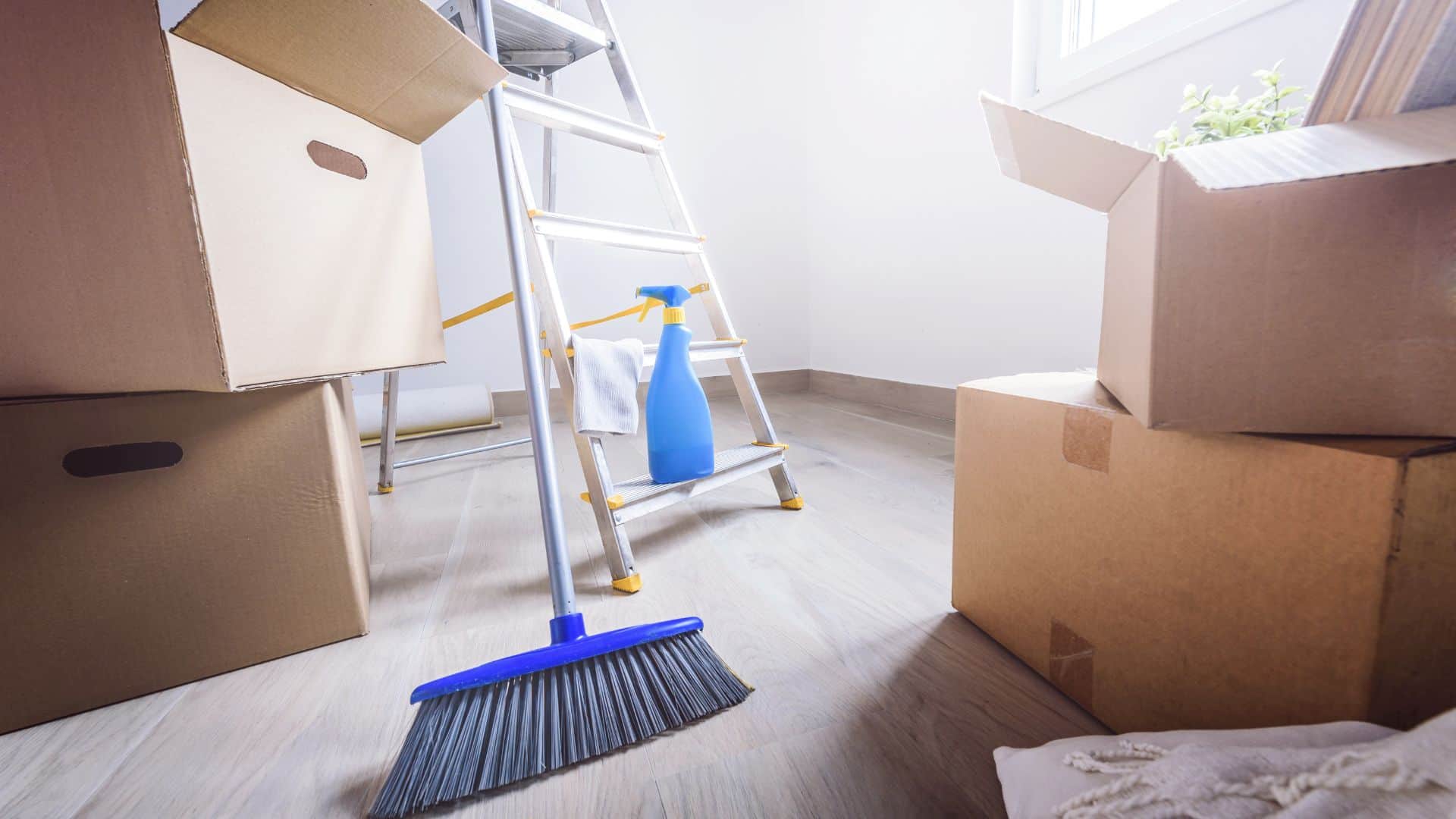
Task 7: Behind and Under Furniture Cleaning involves moving furniture to clean areas that never see regular maintenance. This includes vacuuming and mopping under beds, sofas, and appliances, and cleaning the walls behind furniture where dust and debris accumulate.
Task 8: Window and Blind Deep Cleaning includes washing windows inside and out, cleaning window tracks and sills, and thoroughly cleaning blinds or washing curtains. Regular maintenance might include quick blind dusting, but deep cleaning addresses the grime that builds up in window tracks and between blind slats.
These tasks address the accumulation that happens in spaces regular cleaning doesn’t reach. They’re not about cleaning failure—they’re about addressing natural buildup that occurs despite good maintenance habits. Together, these eight tasks restore your home to a baseline that makes ongoing maintenance more effective and longer-lasting.
Getting the Deep Clean Your DuPage County Home Deserves
Understanding the difference between maintenance and deep cleaning helps you make informed decisions about your home’s care. Both approaches serve important purposes: maintenance preserves cleanliness, while deep cleaning restores it.
The eight essential tasks outlined here address the natural accumulation that happens over time, even in well-maintained homes. They’re not about perfection—they’re about creating a foundation that makes your regular cleaning routine more effective.
When you’re ready to experience the difference a thorough deep clean can make, we bring over 15 years of experience serving DuPage County homes with the attention to detail these tasks require.