Summary:
Essential Staff Training Standards Every Cleaning Service Should Meet
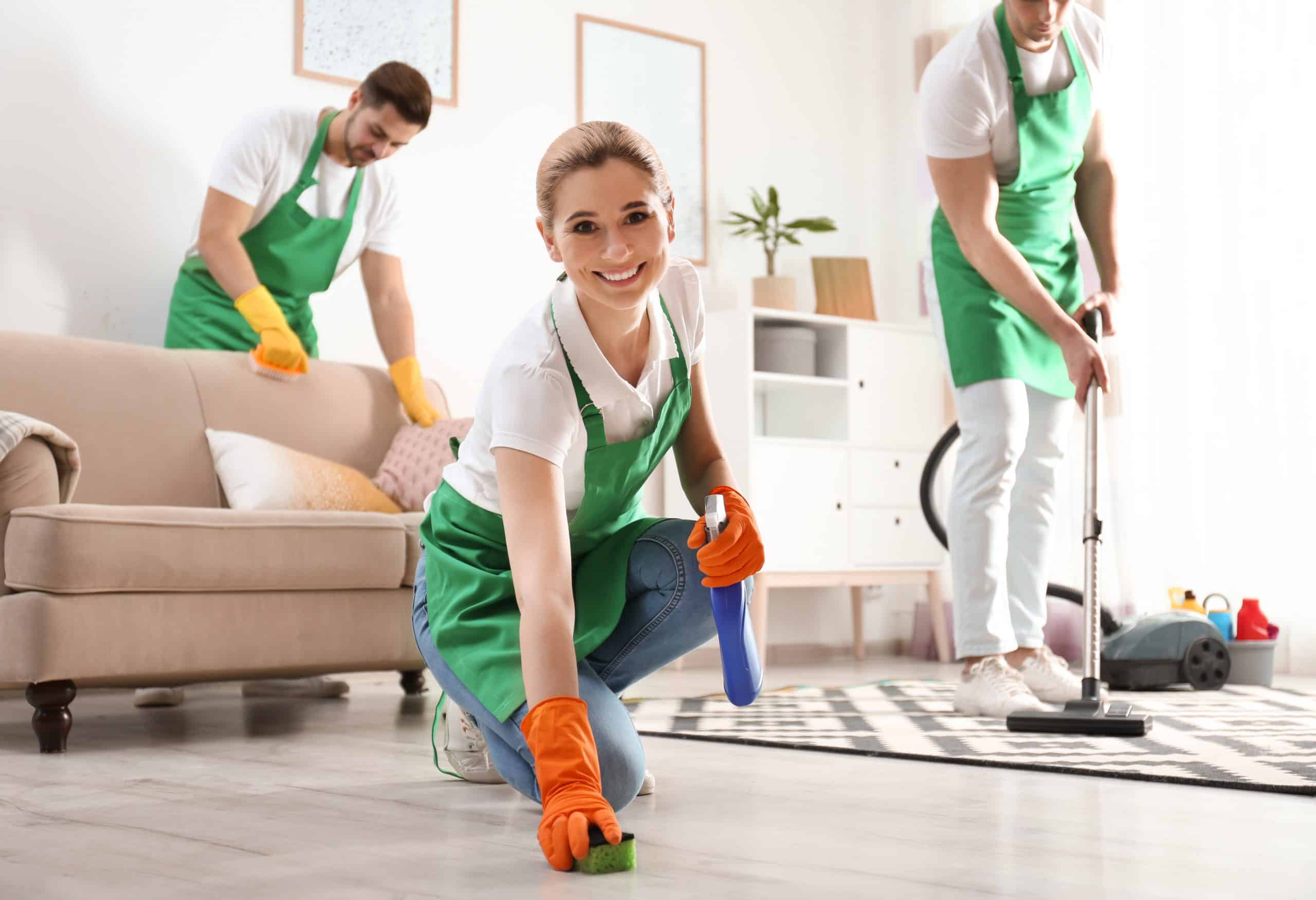
Professional residential cleaning service isn’t just about knowing which products to use where. Before any cleaning work commences, sufficient training and guidance must be given, and this training should cover far more than basic cleaning techniques.
Proper training minimizes the risk of workplace accidents and injuries by teaching cleaners how to safely handle cleaning chemicals and operate equipment, while understanding safety data sheets and emergency procedures is crucial for everyone’s safety. Training is the backbone of every successful cleaning program because it enhances safety and cleaning performance, making employees more comfortable working with various chemicals, equipment and machines.
Any reputable cleaning service should provide documented evidence of their training programs, including chemical safety certification and equipment operation protocols.
Background Check Requirements That Actually Matter
Whether using single cleaning technicians or teams of cleaners, at some point they will be working by themselves, in different areas of the building and offices, and may have access to confidential information or valuables. This reality makes thorough background screening absolutely essential.
A basic background check typically reveals illegal activity, charges, or convictions, and also verifies education, employment history, and references. But the most comprehensive screening goes deeper. A criminal record check usually covers the past 10 years and includes national crime database results as well as records from every state where the candidate lived during the time period being checked.
Unfortunately, recent studies show that almost a third of all businesses do not conduct criminal background checks before they hire someone, leaving themselves open to hiring a person who may be untrustworthy. This is precisely why you need to ask direct questions about background screening policies.
The best cleaning companies standardize their policies by running background checks on every new hire, and they’re transparent with clients about their vetted and verified cleaners. Look for providers accredited by the National Association of Professional Background Screeners (NAPBS) and with high Better Business Bureau ratings.
The screening should include multiple components: sex offender registry checks, as convictions appear in national and state background checks, but a separate registry may reveal additional misdemeanors and add an additional level of security. Motor vehicle reports provide driving history, license status, restrictions, and violations, which are valuable for candidates who will be driving to client homes, transporting others, or moving company equipment.
Professional Equipment Standards and HEPA Filtration Requirements
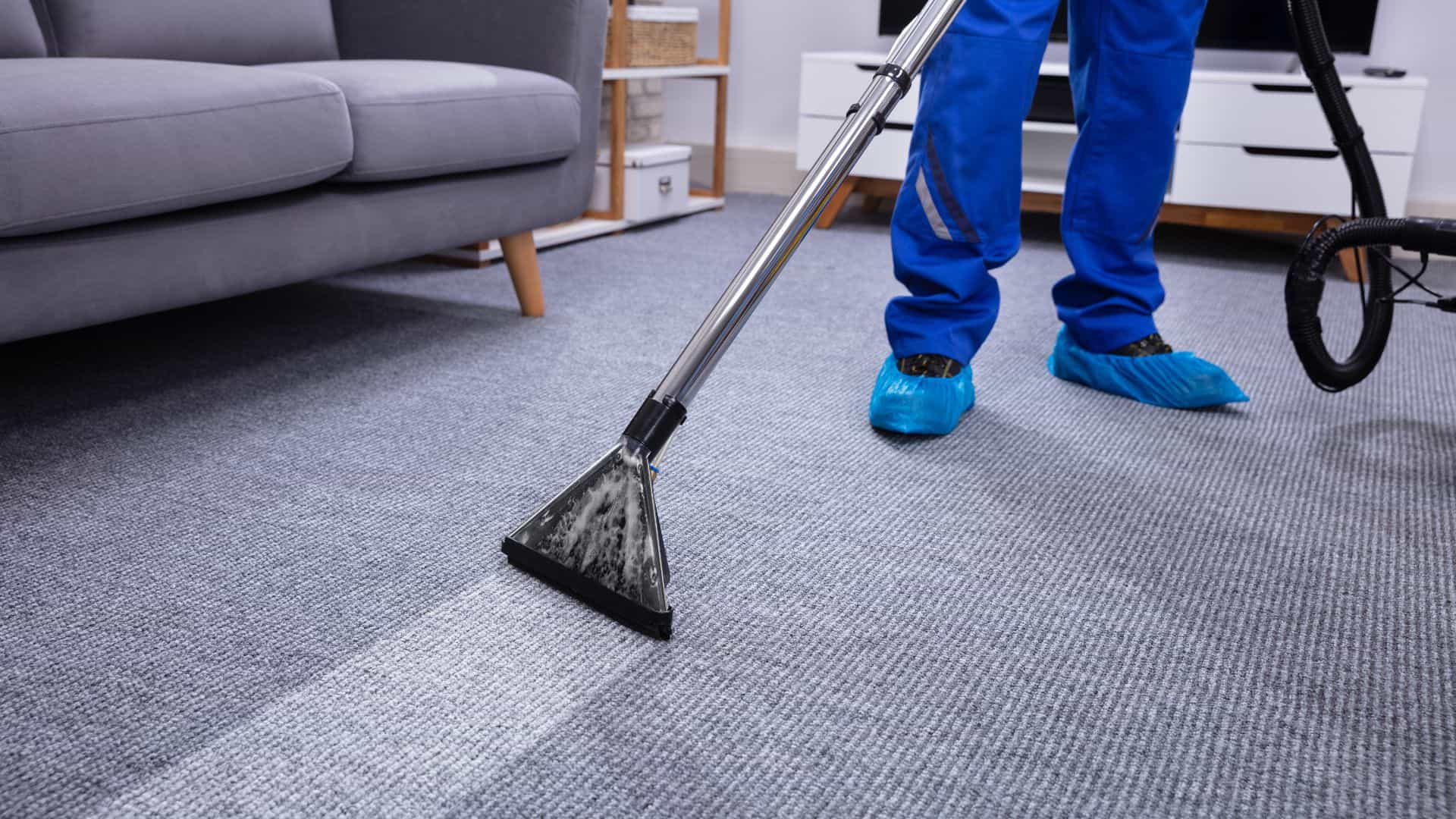
The equipment your home clean service uses tells you everything about their commitment to professional standards. A HEPA vacuum by definition should be able to remove at least 99.97% of dust and other airborne particles, leaving the air cleaner and preventing prolonged exposure to harmful contaminants.
When sweepers have HEPA filters and effectively remove dirt and dust, their use falls under “HEPA-filtered vacuuming,” and OSHA encourages employers who are replacing their sweepers to purchase HEPA-filtered equipment. This isn’t just about better cleaning—it’s about your family’s health.
HEPA vacuum cleaners are an environmentally-friendly choice compared to standard vacuums, with superior filtration systems that minimize pollutants and allergens released back into the atmosphere, and many models are equipped with energy-saving features to reduce electricity use.
But equipment is only as good as the training behind it. Companies should never introduce new chemicals, tools or equipment without first explaining their purpose and how to use them properly, as this yields poor cleaning performance, risks damage to equipment and creates health risks for employees and building occupants.
Professional services stress reviewing labels, safety data sheets (SDS) and individualized literature for each chemical before using products and equipment, which enhances cleaning performance by ensuring products get applied correctly and to the right surfaces. Ask your potential cleaning service to show you their equipment maintenance logs and training documentation—legitimate companies will have these readily available.
Want live answers?
Connect with a Spark Maids LLC expert for fast, friendly support.
Local vs Franchise Accountability: What You Need to Know
The structure of your cleaning company matters more than you might think. Local ownership ensures a higher level of accountability and a steadfast commitment to providing the best customer service, while franchise operations often create layers of separation between you and actual accountability.
Franchises have no control over who is hired to clean your facility, instead selling your cleaning contract to a cleaning franchisee, which represents a major challenge for these companies. This creates a fundamental problem with oversight and quality control.
Why Local Companies Often Provide Better Oversight
Privately owned cleaning companies supervise and inspect their own employee’s work and can monitor their own staff to make sure they are complying with cleaning best practices, while franchises have little control over the quality of work performed by the cleaning crews because they can’t supervise or monitor the cleaning crews themselves.
Local companies like SparkMaids aren’t franchises and don’t subcontract—we’re a community-based business with trusted in-house teams, offering custom cleaning solutions implemented by internal teams that are never passed off to subcontractors. By consistently sending the same reliable team to your site, we make sure your space stays in trustworthy, well-acquainted hands.
As an independent, local family-owned business, we have goals to build relationships with every one of our clients, rather than operating as a franchise. This personal investment in the community creates natural accountability that franchise structures often can’t match.
As a local, non-franchise company founded by former facility managers, we understand what buildings need and focus on keeping spaces clean, professional, and ready for the next day. This hands-on understanding of local needs makes a significant difference in service quality.
Equipment and Supply Control Issues with Franchises
Janitorial franchises have no way of knowing or controlling the type of equipment and supplies being used because they aren’t providing the service themselves—after signing a contract, it’s up to the franchisee to provide appropriate equipment and chemicals, meaning the company you’re paying is not responsible for and does not directly supply the equipment used to clean your facility, which typically leads to less than adequate cleaning supplies.
Privately owned companies purchase their own equipment and supplies and have direct control over what their employees are using to clean your facility, which means you will typically find better equipment and appropriate chemicals. This control extends to maintenance, replacement schedules, and quality standards.
Franchises cannot have their teams clock in and out when they are at your facility, which prevents them from supervising and having a reliable quality control system in place—supervision and accountability make the difference between receiving quality and consistent service versus one that has employees complaining about cleanliness.
When you’re evaluating cleaning services, ask specifically about equipment ownership, maintenance schedules, and supply chain management. Local companies have the freedom to provide quality service with lower prices than franchises, working personally with each client to design a cleaning program that best fits their schedule and needs.
The difference isn’t just philosophical—it’s practical. Local companies can respond immediately to equipment issues, adjust supply choices based on your specific needs, and maintain consistent standards because they control every aspect of the service delivery.
Questions to Ask Before Hiring Any Cleaning Service
Armed with this knowledge, you can now ask the right questions to protect your family and property. Start with training documentation, background check policies, and equipment standards. Ask about local ownership versus franchise structure, and request references from long-term clients in your area.
Ask to see their OSHA 10 Certificate and verify it, requiring that janitors and cleaning staff show documented training before being placed in a building or facility. Talk to their cleaner at night to find out if they have been trained and ask some questions to test their familiarity.
Remember, you’re not just hiring a cleaning service—you’re choosing a partner in maintaining your family’s health and safety. We at SparkMaids understand this responsibility and stand ready to provide complete transparency about our training, background screening, and professional standards.