Summary:
You’ve built a restaurant that serves great food and creates memorable experiences. But behind every successful dining establishment is something customers don’t see—rigorous cleaning standards that keep everyone safe. In DuPage County, IL, restaurants must meet strict food safety requirements under Illinois and federal regulations. Health inspections happen twice a year, sometimes more, and violations can shut down operations fast. The reality is, your kitchen staff can’t handle it all. Between service rushes and daily tasks, the deep cleaning and specialized sanitation your restaurant needs requires professional expertise. Here’s what you need to know about restaurant cleaning standards and how to maintain compliance without overwhelming your team.
What Are Restaurant Cleaning Standards and Food Safety Requirements
Restaurant cleaning standards are the documented protocols and regulations that food service establishments must follow to prevent foodborne illness and maintain safe operations. In Illinois, these standards come from the FDA Food Code, which the state adopted in 2022 to create uniformity across all jurisdictions. DuPage County Health Department oversees more than 4,000 food service facilities, conducting inspections to verify compliance.
These aren’t suggestions. They’re legal requirements that cover everything from how you store raw ingredients to what cleaning products you can use near food. The standards address temperature control, cross-contamination prevention, equipment sanitation, and employee hygiene. Restaurants that don’t meet these requirements face citations, fines, temporary closures, and public posting of violations that damage reputation and customer trust.

Illinois Food Code Requirements for Commercial Kitchens
Illinois adopted the 2022 FDA Food Code to establish best practices for safe food handling in retail settings. This means every restaurant, café, and commercial kitchen in DuPage County must follow the same federal standards that prioritize preventing foodborne illness. The code covers five major risk factors: improper holding temperatures, inadequate cooking, contaminated equipment, poor personal hygiene, and food from unsafe sources.
Local health departments enforce these standards through risk-based inspections. Restaurants fall into different risk categories based on the complexity of their food preparation. Higher-risk establishments that handle raw proteins and prepare food from scratch face stricter requirements, including having a Certified Food Protection Manager on-site during all operating hours. Lower-risk operations like coffee shops have fewer requirements but still must maintain sanitation standards.
The inspection process evaluates everything. Food storage temperatures. The cleanliness of your ice machine and soda fountains. Whether you’re storing chemicals away from food. How your staff washes their hands. Inspectors know exactly where to look for violations—behind equipment, inside walk-in coolers, underneath prep tables. They check grease traps, ventilation hoods, and floor drains. They verify that cutting boards are sanitized properly and that your three-compartment sink meets requirements.
Violations get categorized as Priority, Priority Foundation, or Core items. Priority violations directly contribute to foodborne illness and must be corrected immediately. These include things like holding food at unsafe temperatures or not having proper handwashing facilities. Priority Foundation violations support Priority items—like broken thermometers or missing sanitizer test strips. Core violations relate to general sanitation and facility maintenance. Too many violations, especially Priority ones, and your restaurant gets shut down until you fix the problems.
Common Health Code Violations Restaurants Face
Health inspectors see the same violations repeatedly because certain areas get neglected during daily cleaning routines. The ice machine is a perfect example. It seems clean from the outside, but inspectors open it up and find mold or slime growing in the bin. Soda fountain nozzles are another common problem—they need to be disassembled and cleaned regularly to prevent bacteria growth, but most staff don’t know how or don’t have time.
Grease buildup causes multiple violations. It accumulates on cooking equipment, exhaust hoods, walls near the cooking line, and floors. Grease creates fire hazards, attracts pests, and makes surfaces impossible to sanitize properly. Inspectors also look for food debris underneath equipment. When you never move your fryers or ovens to clean behind them, food particles and grease collect in areas you can’t see during normal operations. That’s a violation waiting to happen.
Cross-contamination issues show up frequently too. Storing raw chicken above ready-to-eat foods in the walk-in. Using the same cutting board for raw meat and vegetables without sanitizing between uses. Keeping cleaning chemicals next to food prep areas. These mistakes happen when staff are rushed or not properly trained on food safety protocols. The result is bacteria spreading throughout your kitchen and potentially making customers sick.
Temperature control violations are among the most serious. Food held in the danger zone between 40°F and 140°F allows bacteria to multiply rapidly. Inspectors check refrigerator and freezer temperatures, hot holding equipment, and food temps during prep and service. If your equipment isn’t maintaining proper temperatures or if staff aren’t monitoring food temps correctly, you’re putting customers at risk and violating health codes.
Sanitation violations include dirty equipment, improper dishwashing, and inadequate cleaning of food contact surfaces. Your three-compartment sink must be used correctly—wash, rinse, sanitize—with proper chemical concentrations. Dishes and utensils that aren’t sanitized properly reintroduce pathogens into food. Prep tables, cutting boards, and equipment that look clean might still harbor bacteria if they weren’t cleaned and sanitized using approved methods.
Want live answers?
Connect with a Spark Maids LLC expert for fast, friendly support.
Commercial Kitchen Cleaning Services and Professional Standards
Commercial kitchen cleaning services provide the specialized expertise restaurants need to meet health department standards. These aren’t the same as general janitorial services. Professional restaurant cleaners understand food safety regulations, know which products are approved for use in food preparation areas, and have the equipment to tackle grease and contamination that standard cleaning methods can’t handle.
The difference comes down to training and tools. Professional cleaners use industrial-grade degreasers formulated for commercial kitchens, not household products. They have HEPA-filtered vacuums that capture microscopic particles. They understand the proper sequence for cleaning and sanitizing—you can’t sanitize a dirty surface effectively. They know how to clean ventilation systems, grease traps, and floor drains. They can move heavy equipment to access areas your staff can’t reach during daily operations.
Why Eco-Friendly Cleaning Products Matter in Food Service
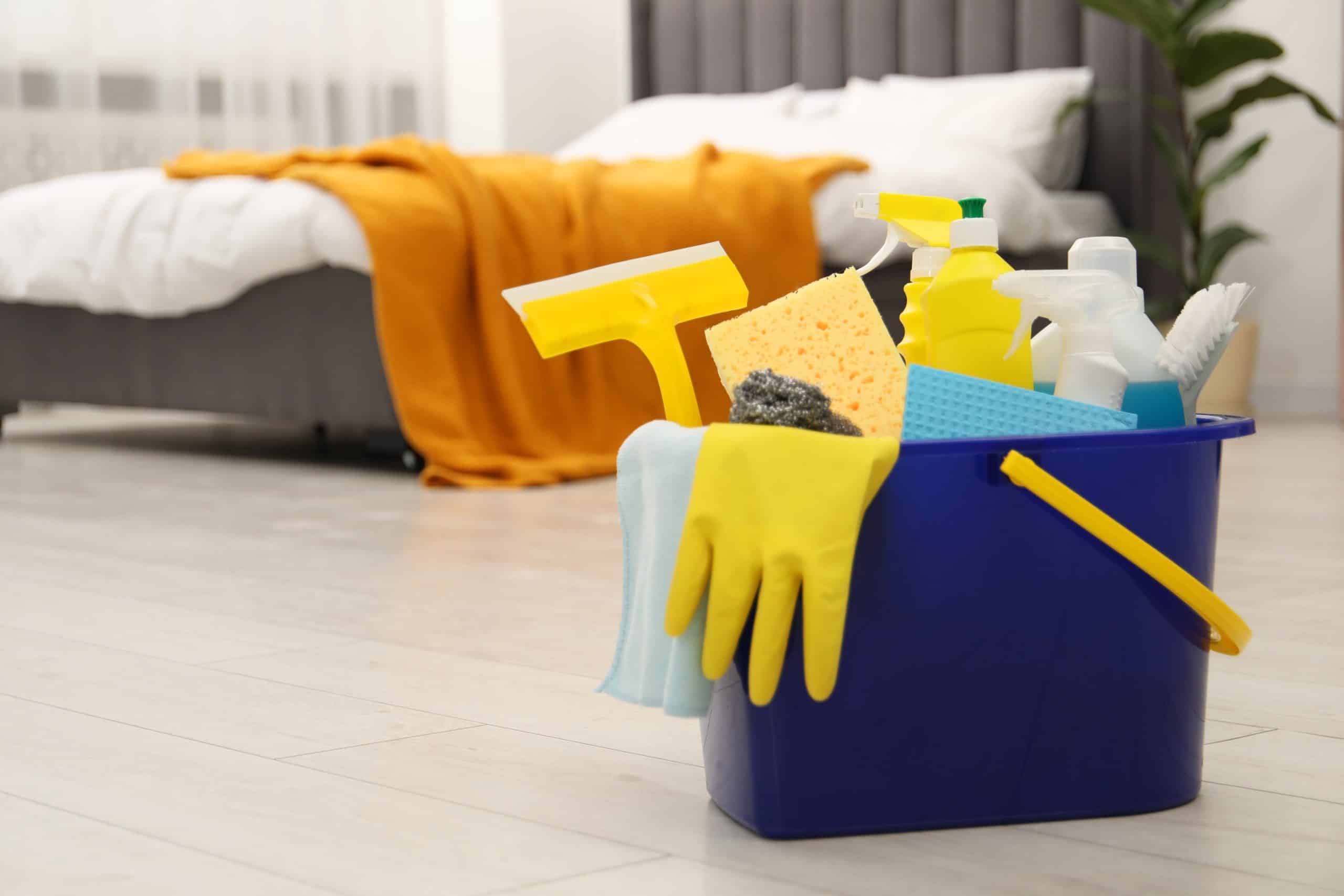
Not all cleaning products are safe to use around food. Many conventional cleaners contain toxic chemicals that can contaminate food surfaces, create harmful fumes, or leave residues that affect food safety. That’s why professional restaurant cleaning services use eco-friendly, non-toxic products specifically designed for food service environments. These products are just as effective at killing bacteria and removing grease, but they’re safe for use in areas where food is prepared and stored.
Eco-friendly cleaning products matter for several reasons. First, they protect your customers. Non-toxic, food-safe cleaners eliminate the risk of chemical contamination on prep surfaces, cutting boards, and equipment. Second, they protect your staff. Your kitchen team shouldn’t have to breathe harsh chemical fumes or risk skin irritation from aggressive cleaners. Third, they meet regulatory requirements—the FDA and local health departments require that cleaning products used in food service be approved for that purpose.
Modern food-safe cleaning technology has advanced significantly. Products containing ingredients like hypochlorous acid provide medical-grade sanitation while being completely non-toxic. They kill bacteria, viruses, and other pathogens on contact without leaving harmful residues. These solutions work on all food contact surfaces and don’t require rinsing, which saves time and ensures proper sanitation. They’re also biodegradable and environmentally responsible, aligning with the growing emphasis on sustainability in the restaurant industry.
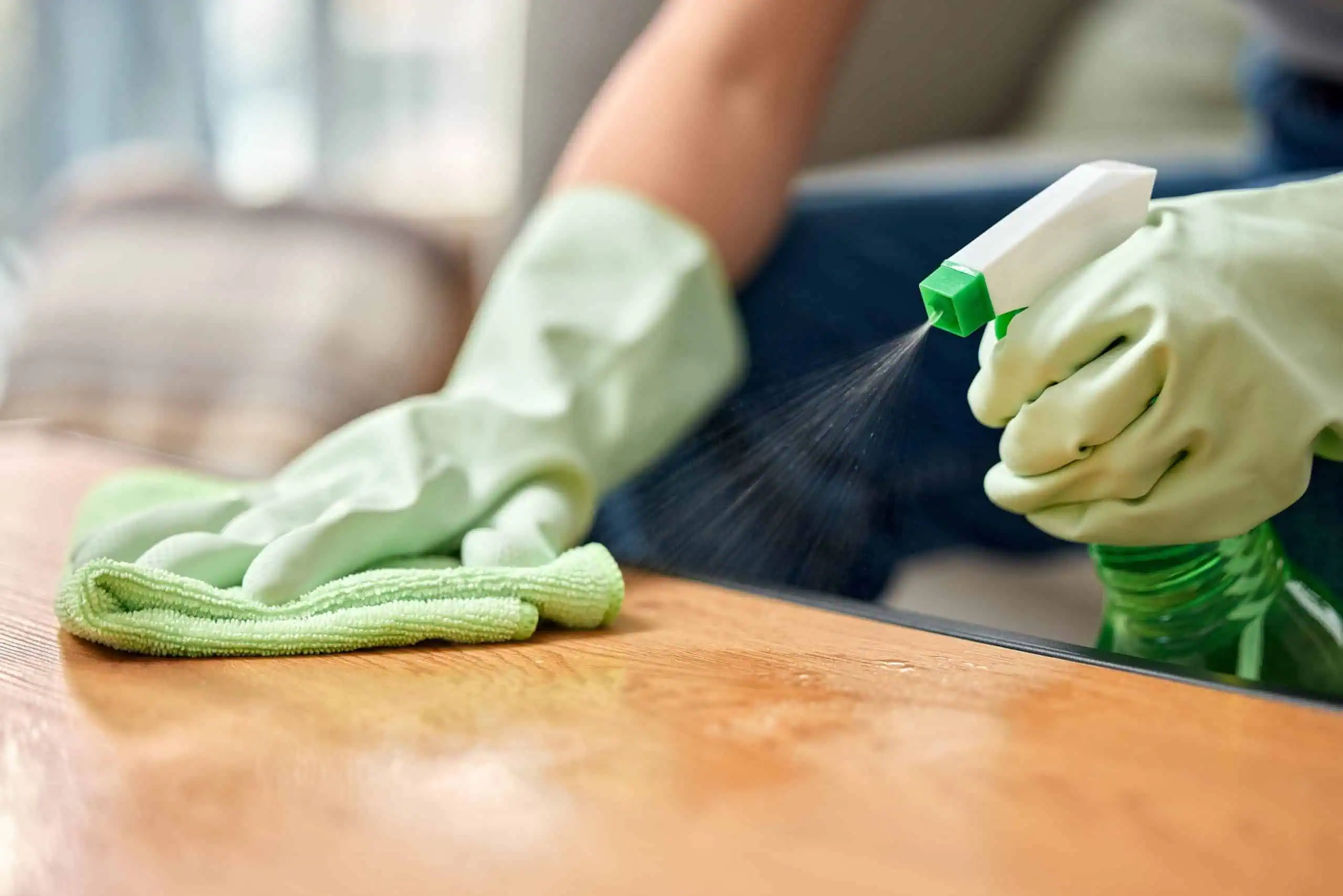
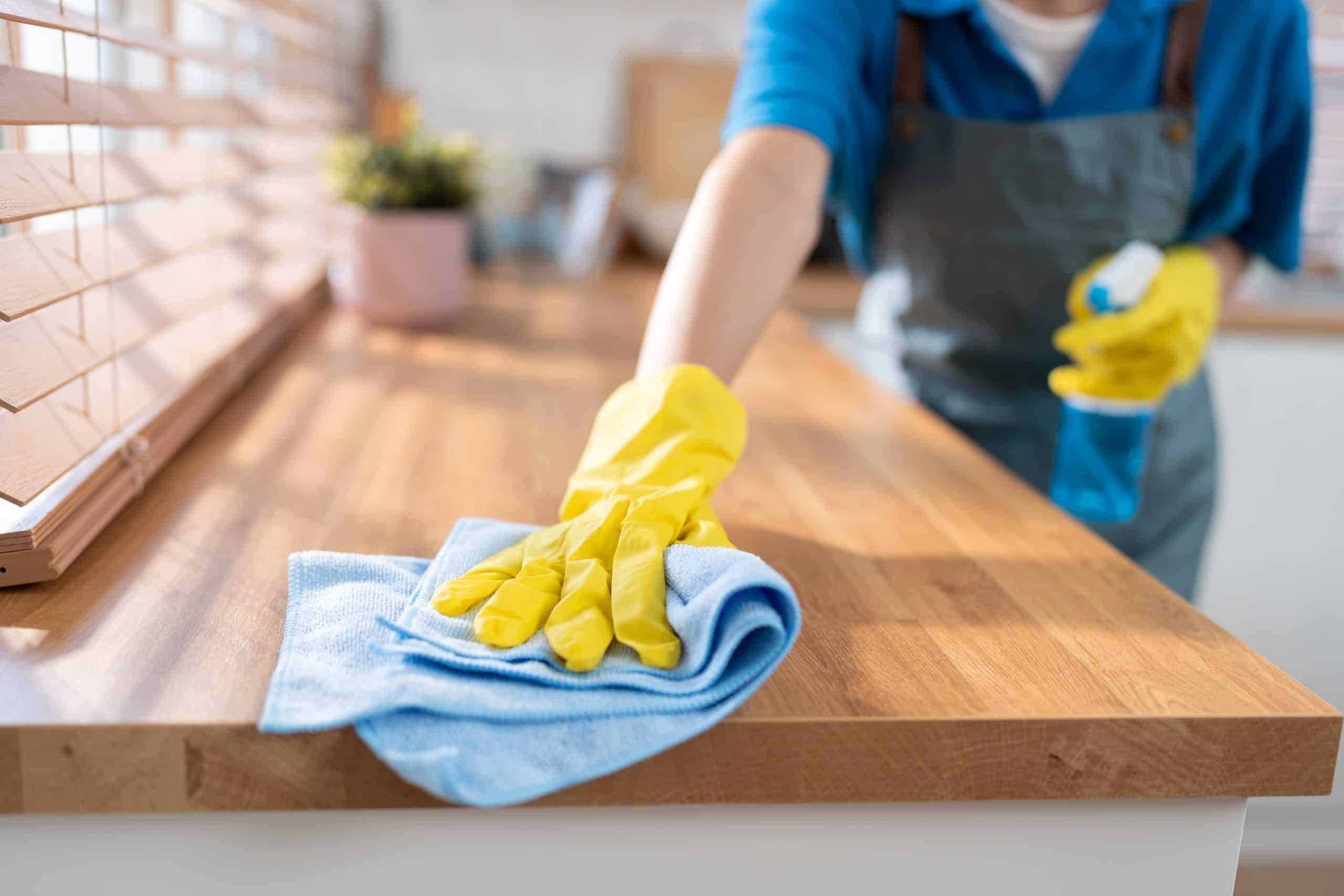
The cleaning tools matter too. Microfiber cloths are standard in professional restaurant cleaning because they trap bacteria and particles instead of just spreading them around. Color-coded cleaning systems prevent cross-contamination—red cloths for raw meat areas, green for produce, blue for general surfaces. HEPA-filtered vacuums capture allergens and microscopic particles that regular vacuums blow back into the air. These tools and products work together to create the level of cleanliness that health inspections demand.
Restaurant Deep Cleaning Services: What They Include
Restaurant deep cleaning services go far beyond what your staff can accomplish during daily closing procedures. Deep cleaning addresses the accumulated grease, hidden contamination, and hard-to-reach areas that require specialized equipment and expertise. This level of cleaning typically happens weekly, monthly, or quarterly depending on your restaurant’s volume and type of cooking.
Deep cleaning starts with areas inspectors target first. The exhaust hood system gets completely broken down and cleaned—filters, hoods, ducts, and fans. Grease accumulation in ventilation systems is the number one cause of restaurant fires, so this isn’t optional. Professional cleaners use commercial-grade degreasers and pressure washing equipment to remove every trace of buildup. They document the cleaning for your records, which health inspectors want to see.
Equipment gets pulled away from walls so cleaners can access the spaces behind and underneath. Food debris, grease, and contamination hide in these areas that never get touched during normal operations. Fryers, ovens, ranges, and prep tables all need to be moved and the areas thoroughly cleaned and sanitized. This prevents pest infestations and eliminates the violations inspectors find when they look behind your equipment.
Walk-in coolers and freezers require deep cleaning that includes removing all stored food, cleaning walls and ceilings, sanitizing shelving, and cleaning door gaskets and seals. Mold and bacteria grow in these cold environments if they’re not cleaned properly. Floor drains throughout the kitchen get cleaned and treated with enzyme-based products that digest organic waste and prevent clogs and odors. Grease traps need professional cleaning every one to three months to prevent backups and eliminate foul smells.
Walls, ceilings, and light fixtures accumulate grease and dust, especially near cooking areas. Professional cleaners tackle these high surfaces that your staff can’t easily reach. Floors get stripped, deep cleaned, and sanitized using commercial equipment. This removes the grease that makes floors slippery and dangerous. Tile and grout cleaning eliminates the dirt and bacteria that embed in porous surfaces over time. All food contact surfaces—prep tables, cutting boards, shelving—get thoroughly cleaned and sanitized using approved methods and products.
The entire process happens after hours so it doesn’t disrupt your operations. Professional cleaners work overnight or during closed periods, and your kitchen is clean and ready when you open. This protects your revenue while ensuring the deep cleaning gets done properly. It also takes the burden off your staff, who can focus on food preparation and service instead of trying to handle cleaning tasks they’re not equipped for.
Maintaining Food Safety Standards with Professional Restaurant Cleaning
Restaurant cleaning standards exist to protect public health, and meeting them requires more than good intentions. It requires specialized knowledge, professional-grade products and equipment, and the time to do the job properly. Your kitchen staff are skilled at preparing food and serving customers, not at performing the deep cleaning and sanitation that health departments demand.
Professional restaurant cleaning services bridge that gap. We understand Illinois Food Code requirements, DuPage County Health Department standards, and the FDA regulations that govern food safety. We use eco-friendly, food-safe products that meet regulatory requirements while protecting your customers and staff. We have the tools and training to tackle grease, access hard-to-reach areas, and sanitize surfaces properly. Most importantly, we help you avoid the violations that damage your reputation and threaten your business.
For restaurants in DuPage County looking to maintain compliance and pass inspections consistently, SparkMaids LLC brings over 15 years of experience in commercial cleaning. Our team understands the unique challenges of food service environments and delivers the specialized cleaning that keeps restaurants operating safely and successfully.