Summary:
Understanding Carpet pH Levels and Chemical Safety
The key to effective carpet cleaning lies in finding the right pH balance that breaks down soils without damaging carpet fibers. Most homeowners don’t realize that many carpet cleaning chemicals and presprays are alkaline because typical carpet soils are acidic.
The pH you leave carpets with is just as important as what you clean them with—alkaline residue attracts dirt, causes rapid re-soiling, and can lead to stiff, crunchy carpets or even color loss. We understand this delicate balance and adjust our approach accordingly.
Safe pH Ranges for Different Carpet Materials
Not all carpet fibers can handle the same cleaning intensity. Synthetic fibers like nylon, polyester, and olefin can safely handle pH levels up to 10, making them more forgiving during aggressive cleaning. However, the IICRC recommends pH levels of 10 or less for synthetic carpets, and many manufacturer warranties become void if pH exceeds 10.2.
Natural fibers require much gentler treatment. Wool carpets need pH levels between 5-8 to stay in the “safe zone”, while natural fibers like wool, cotton, or jute-backed carpets may yellow if exposed to high pH solutions. This is why professional fiber identification becomes crucial before any cleaning begins.
The challenge doesn’t end with selecting the right pH. When using strong alkaline cleaners, carpets must be returned to neutral or slightly acidic levels through acid rinsing. This neutralization step prevents the sticky residue that attracts dirt and ensures your carpets stay cleaner longer.
Why pH Testing Prevents Carpet Damage
Carpets generally rest at pH below neutral, but leftover residues from previous cleaners can leave carpets in an alkaline state. This creates a compounding problem where each cleaning session potentially makes the situation worse.
pH meters help identify what previous cleaners used, assist in stain identification, and ensure proper neutralization of rust removers. We use this data to customize our approach rather than applying one-size-fits-all solutions.
When carpets are repeatedly cleaned with high pH chemicals without proper neutralization, they can reach pH levels as high as the chemical residue, limiting soil release during future cleanings. This explains why some carpets never seem to get truly clean despite professional treatment—the underlying chemistry is working against effective soil removal.
Want live answers?
Connect with a Spark Maids LLC expert for fast, friendly support.
Low-Moisture Carpet Cleaning and Encapsulation Methods
Encapsulation cleaning represents an interim maintenance method where specially formulated detergents surround soil particles and crystallize them to prevent re-attraction. This approach addresses one of carpet cleaning’s biggest challenges: preventing rapid re-soiling.
Low-moisture methods use 70% less water than traditional extraction, making them both cost-effective and environmentally sustainable. For DuPage County homeowners concerned about water usage and environmental impact, this represents a significant advantage.

Benefits of Encapsulation for Busy Households
Low-moisture cleaning ensures minimal downtime with carpets typically drying in under 30 minutes. For families with children and pets, this rapid drying time means less disruption to daily routines.
Encapsulation keeps carpets looking cleaner longer by preventing soil re-attraction. Good encapsulating detergents actually resist soil, whereas normal carpet detergents can become sticky and attract dirt. This means fewer cleaning appointments and better value for your investment.
The minimal moisture approach prevents wicking issues, ensuring stains and dirt don’t resurface after cleaning. Traditional steam cleaning can sometimes push contaminants deeper into carpet backing, only to have them migrate back to the surface as moisture evaporates. Low-moisture methods avoid this frustrating problem entirely.
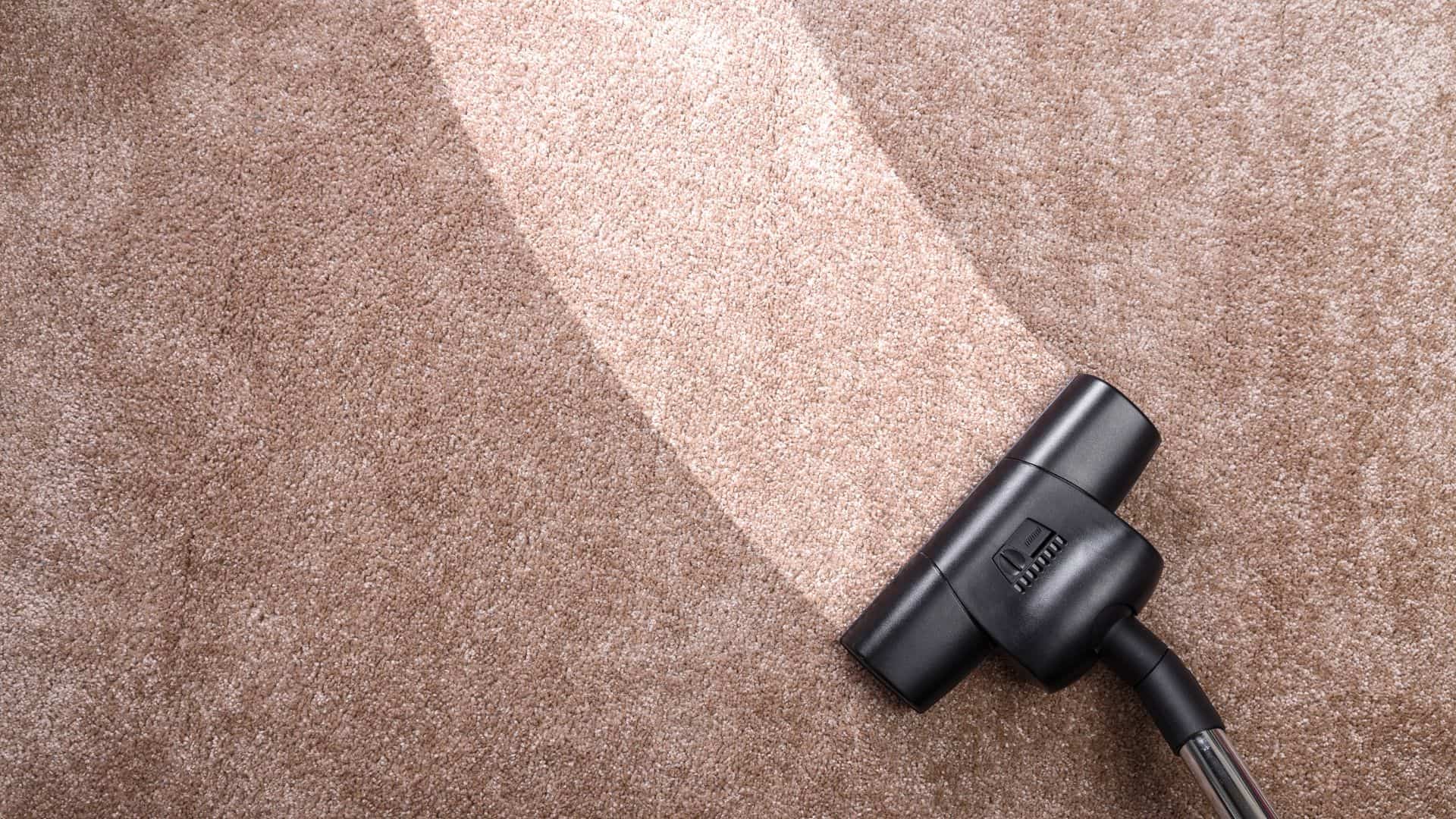
Because encapsulation leaves no detergent residue, there’s no need to worry about resoiling or wicking. The crystallized soil particles are easily removed through regular vacuuming, making maintenance simpler for homeowners.
When to Choose Low-Moisture vs. Deep Extraction
Encapsulation works best on low to moderate soil levels—heavily soiled carpets still require extraction cleaning. Understanding this distinction helps set realistic expectations and choose the right service for your situation.
Encapsulation is an interim cleaning method that doesn’t eliminate the need for deep cleaning but can prolong the cycle between intensive treatments. Think of it as regular maintenance that extends the life of your carpets between major cleanings.
High-traffic areas benefit most from routine encapsulation cleaning, since about 80% of wear and soil occurs on just 20% of carpet space. Focusing maintenance efforts on these areas provides maximum impact for your cleaning investment.
VLM encapsulation cleaning uses eco-friendly solutions, and low moisture carpet extraction requires less water while helping prolong carpet life through gentle cleaning techniques. For environmentally conscious DuPage County residents, this aligns with sustainable living practices without compromising cleaning effectiveness.
Making Informed Carpet Cleaning Decisions in DuPage County
Professional carpet cleaning involves complex chemistry and technique that goes far beyond surface appearance. Understanding pH levels, fiber types, and cleaning methods helps you evaluate service providers and protect your flooring investment.
Proper fiber identification and pH matching prevent carpet damage and warranty voiding. When interviewing cleaning services, ask about their fiber identification process and pH testing protocols—these questions separate knowledgeable professionals from basic service providers.
For DuPage County homeowners seeking reliable, science-based carpet cleaning, we at SparkMaids LLC combine technical expertise with environmental responsibility to deliver results that protect both your carpets and your family’s health.