Summary:
You know that feeling when winter finally breaks and you open the windows for the first time in months? Fresh air rushes in—along with the realization that your home needs more than a quick once-over. Dust has settled into places you forgot existed. Allergens are lurking in carpets. And that weekend you planned to tackle it all? It’s looking less realistic by the minute.
Here’s what most spring cleaning advice won’t tell you: not every task deserves your time, and some actually require expertise you don’t have. This guide cuts through the noise to show you what really works—and when it makes sense to call in professionals who do this every day.
Spring Cleaning Tips and Tricks: What Actually Works
The internet is full of spring cleaning checklists that look great on paper but fall apart in real life. Most people don’t have 16 hours to scrub baseboards with a toothbrush. And honestly? You shouldn’t need to.
The best spring cleaning tips and tricks focus on what makes the biggest impact with the least wasted effort. Start with air quality—HEPA-filtered vacuums capture 99.97% of allergens and dust particles that regular vacuums just push around. That matters in DuPage County, where tree pollen and post-winter dust create a perfect storm for allergies.
Next, tackle surfaces that actually affect your daily life. Windows that let in natural light. Carpets where your kids play. Kitchen appliances you use every morning. The rest? It can wait—or it can go on someone else’s list entirely.
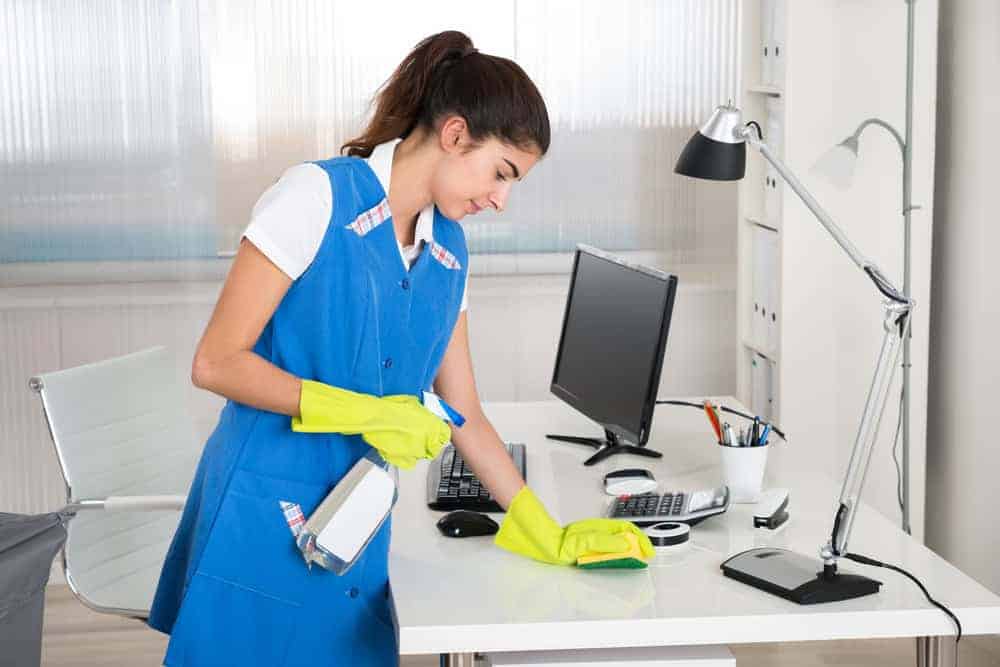
Why Your Regular Vacuum Isn't Cutting It
Here’s something most homeowners don’t realize: standard vacuums can make your air quality worse, not better. They suck up dirt, sure. But they also exhaust microscopic particles right back into your breathing space—dust mites, pet dander, pollen, even bacteria.
HEPA filters change that equation completely. They trap particles as small as 0.3 microns, which covers about 99.97% of common allergens. For families dealing with asthma or seasonal allergies, that’s not a nice-to-have. It’s essential.
Professional cleaning services use HEPA-filtered equipment as standard practice, not as an upgrade. That’s one reason why homes feel noticeably fresher after a professional clean—the air actually is cleaner. If you’re doing it yourself, investing in a true HEPA vacuum (not “HEPA-type”) makes a measurable difference. Studies show it can reduce asthma triggers by up to 30%.
The difference is especially noticeable after winter in areas like Naperville and Wheaton. Months of closed windows and forced-air heating create a buildup that regular cleaning can’t touch. HEPA filtration gets to the root of the problem, removing what you can’t see but definitely breathe.
Indoor air quality improves dramatically when you remove particles at the source instead of redistributing them. That’s why we emphasize proper filtration—it’s not about making things look clean, it’s about making them actually clean.
Eco-Friendly Products That Actually Clean (Not Just Smell Nice)
Walk down any cleaning aisle and you’ll see “natural” and “green” slapped on everything. But those terms aren’t regulated. A product can claim to be eco-friendly while still containing chemicals you wouldn’t want near your kids or pets.
Real eco-friendly cleaning products avoid ammonia, chlorine bleach, phthalates (often hidden in “fragrance”), and formaldehyde. They use plant-based ingredients and enzymes that break down dirt without leaving toxic residue on surfaces. That matters when your toddler is crawling on the floor or your dog is licking their paws.
Here’s what actually works: Look for certifications like EPA Safer Choice, Green Seal, or EWG Verified. These programs require transparency and testing. Products with these labels have been vetted, not just marketed.
We use eco-friendly products as our default, not as an add-on service. We’ve learned that non-toxic doesn’t mean weak—modern formulas clean just as effectively as harsh chemicals, without the respiratory irritation or lingering fumes.
For DIY cleaning, simple solutions like vinegar and water work for many surfaces. But for deep cleaning tasks—removing grout buildup, tackling post-winter grime, sanitizing high-touch areas—you need something stronger. That’s where professional-grade eco-friendly products shine. They deliver results without compromise.
The bonus? Better indoor air quality. Traditional cleaning products release volatile organic compounds (VOCs) that linger long after you’re done cleaning. Plant-based alternatives reduce that exposure significantly, especially important in homes where people spend most of their time indoors. Children and pets are particularly vulnerable because they breathe faster, spend more time on floors, and put their hands and paws in their mouths.
Want live answers?
Connect with a Spark Maids LLC expert for fast, friendly support.
Saturday House Cleaning: Why Weekend Services Matter
Most cleaning companies operate Monday through Friday, 9 to 5. Which works great if you’re home during the day. For everyone else—the people working full-time jobs, managing kids’ schedules, or simply trying to be present when their home is being cleaned—it’s a problem.
Saturday house cleaning services exist for a reason. They accommodate real schedules. You’re not taking time off work or coordinating keys with neighbors. You’re home, available, and able to address any questions or preferences as they come up.
In DuPage County, weekend availability has become a significant differentiator. Families in Downers Grove, Naperville, and surrounding areas are busy. Dual-income households, long commutes, kids’ activities—weekdays are spoken for. Saturday cleaning appointments fit into life instead of disrupting it.
When Professional Cleaning Actually Saves You Money
The math on DIY versus professional cleaning isn’t as simple as it looks. Yes, you avoid paying for labor. But you’re still paying—just differently.
First, there’s your time. A thorough spring cleaning takes 8 to 16 hours for an average home, depending on size and how deep you go. Assign a realistic value to those hours—what else could you be doing? Working? Spending time with family? Resting? That’s the real cost.
Then there’s equipment and supplies. Specialized cleaners for different surfaces. Microfiber cloths that actually work. A carpet steamer rental runs $30-50 per day. HEPA vacuum filters need replacing. Professional-grade products cost more than generic sprays. It adds up quickly, often approaching what you’d pay an affordable cleaning company anyway.
Professional cleaners bring commercial-grade equipment you don’t own and wouldn’t use often enough to justify buying. We complete tasks in a fraction of the time because we do this every day. And we know which products work on which surfaces—no guessing, no accidental damage to your granite countertops or hardwood floors.
For one-time deep cleans or seasonal refreshes, the value proposition is clear. You get better results, save time, and avoid the physical strain that sends people to chiropractors after a weekend of heavy cleaning. Many DuPage County homeowners combine DIY maintenance with professional deep cleaning a few times a year. It’s the best of both approaches.
The hidden costs of DIY go beyond money and time. There’s the physical exhaustion—heavy lifting, awkward bending, repetitive motions that can cause injury. There’s the learning curve of figuring out what works. And there’s the opportunity cost of spending your entire Saturday scrubbing instead of doing literally anything else.
What to Tackle Yourself vs What to Outsource
Not every spring cleaning task requires professional help. Some are straightforward enough to handle yourself, especially if you’re maintaining cleanliness between deep cleans. Others? They’re genuinely better left to people with the right tools and training.
DIY-friendly tasks include dusting surfaces, wiping down counters, organizing closets, and basic vacuuming with quality equipment. These maintenance activities keep your home comfortable and don’t require specialized knowledge. You can knock them out in manageable chunks without exhausting yourself.
Professional-level tasks include carpet deep cleaning, window washing (especially second-story), grout restoration, and post-winter allergen removal. These require equipment most homeowners don’t own—commercial steam cleaners, extension poles, HEPA filtration systems—and expertise to avoid damage.
Here’s a practical test: If the task requires renting equipment, watching multiple YouTube tutorials, or makes you nervous about damaging something expensive, it’s probably worth hiring out. Your time and stress levels matter.
Spring cleaning in DuPage County also means dealing with specific challenges: road salt residue on entryway floors, pollen buildup on window screens, winter dust that’s settled into every corner. We’re familiar with the area and know exactly how to address these issues efficiently. We’ve seen it all—from the heavy tree canopy around established Wheaton neighborhoods to the moisture challenges in various local areas.
The smartest approach? Handle what you enjoy or find straightforward. Outsource what’s physically demanding, time-consuming, or requires expertise you don’t have. An affordable cleaning company can handle the heavy lifting while you focus on organizing and maintaining the spaces that matter most to you. Many homeowners find that professional deep cleaning twice a year, combined with regular maintenance in between, keeps their home consistently fresh without overwhelming their schedule.
**Can I get same day steam cleaning for carpets?** Many professional cleaning services offer same day steam cleaning, especially for urgent situations like preparing for guests or addressing spills. However, availability depends on the company’s schedule and current demand. It’s always best to reach out ahead of time, but some services in DuPage County specifically accommodate last-minute requests. Professional steam cleaning removes deep-set dirt and allergens that vacuuming alone can’t touch, making it worth the investment for high-traffic areas or post-winter refresh.
**How often should I deep clean vs regular clean?** Regular cleaning (weekly or bi-weekly) handles everyday maintenance—dusting, vacuuming, wiping surfaces. Deep cleaning tackles areas you don’t address routinely and should happen 2-3 times per year, with spring being the most popular time. After a harsh Midwest winter, spring deep cleaning addresses accumulated dust, allergens, and grime that built up while windows stayed closed.
**Are eco-friendly products really as effective as traditional cleaners?** Modern eco-friendly cleaning products perform just as well as harsh chemical alternatives. The difference is what they leave behind—or rather, what they don’t. Plant-based formulas avoid toxic residue while still breaking down dirt, grease, and grime effectively. We use eco-friendly products as our standard because they deliver results without compromising safety for children, pets, or people with sensitivities.
**What’s the difference between HEPA and regular vacuum filters?** HEPA filters capture 99.97% of particles as small as 0.3 microns, including allergens, dust mites, pet dander, and pollen. Regular filters miss these microscopic particles, allowing them to recirculate into your air. For families with allergies or asthma, HEPA filtration isn’t optional—it’s essential for maintaining healthy indoor air quality.
**Is Saturday cleaning more expensive than weekday service?** Not necessarily. While some companies charge a premium for weekend availability, many offer Saturday house cleaning at standard rates to accommodate working families. It’s worth asking directly, as the convenience often outweighs any small price difference for people who can’t take time off during the week.