Summary:
What Is Commercial Floor Waxing and Why Does It Matter?
Commercial floor waxing is a protective process that goes way beyond what your regular cleaning crew handles. Think of it as armor for your floors. The process involves applying multiple thin layers of high-quality wax that create a durable, glossy barrier against daily wear and tear.
Here’s what makes it different from regular cleaning: while mopping removes surface dirt, waxing actually protects the floor material underneath. That protective layer shields against scratches, scuffs, moisture damage, and stains that can permanently harm your flooring. The result is floors that not only look professional but actually last longer and cost you less money over time.
The Science Behind Floor Stripping, Sealing, and High-Gloss Waxing
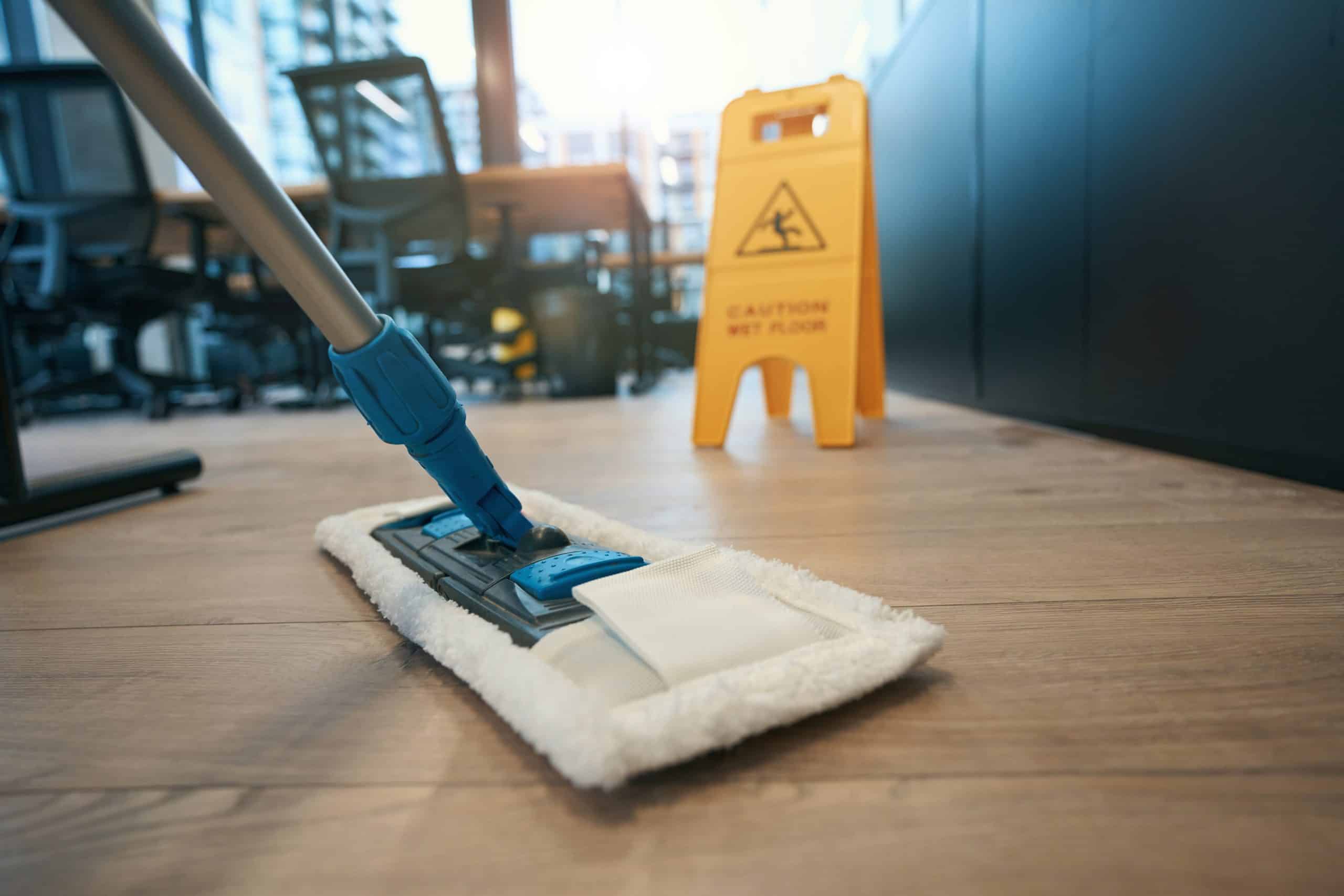
Professional floor care follows a precise scientific process that most business owners never see. It starts with stripping—using specialized chemical solutions to break down and remove old wax layers, embedded dirt, and built-up grime that regular cleaning can’t touch. This isn’t something you want to attempt with household cleaners.
Once the floor is stripped down to its original surface, we apply a sealer that penetrates the floor material and creates a foundation for the wax layers. Then comes the waxing itself—typically 4-6 thin coats applied with precise timing between each layer. Each coat needs to dry completely before the next application, and the chemical composition of commercial-grade wax is formulated to bond properly with the previous layer.
The final step involves buffing with high-speed machines that create that mirror-like finish you see in professional buildings. This isn’t just for looks—the smooth surface actually repels dirt and moisture, making your regular cleaning more effective. The entire process can take several hours to complete properly, which is why most businesses schedule it during off-hours or weekends. When done correctly, you get a floor that’s not just beautiful but actually easier to maintain day-to-day.
How Often Do High-Traffic Commercial Floors Need Professional Waxing?
The frequency of professional floor waxing depends heavily on your specific situation, but there are some general guidelines that apply to most DuPage County businesses. High-traffic areas like lobbies, hallways, and main corridors typically need full strip and wax service 3-4 times per year. That might sound like a lot, but consider what these areas endure—hundreds of footsteps daily, weather tracked in from outside, and constant wear that gradually breaks down protective layers.
Medium-traffic spaces like individual offices or conference rooms can often go 6-12 months between full office cleaning treatments. However, these areas might benefit from interim maintenance like scrub and recoat services every few months to extend the life of the existing wax layers. Low-traffic areas might only need annual attention, but don’t ignore them completely.
Here’s what many business owners miss: waiting too long between treatments actually costs more money. When protective wax layers wear completely away, you’re looking at potential floor replacement rather than restoration. The key is watching for warning signs like persistent dull spots that reappear within days of cleaning, visible scratches that weren’t there before, or discoloration around entrances where salt and chemicals from shoes have penetrated the finish. Smart facility managers schedule regular assessments to catch problems before they become expensive disasters.
Want live answers?
Connect with a Spark Maids LLC expert for fast, friendly support.
Warning Signs Your Office Floors Need More Than Regular Cleaning
Your floors are constantly communicating their condition—you just need to know what to look for. The most obvious sign is when floors look dull or cloudy even after thorough cleaning. If your cleaning crew is doing their job but the floors still lack that professional shine, the protective wax layer has likely worn too thin to be effective.
Scratches and scuff marks that seem to appear overnight are another red flag. When floors are properly waxed, most surface damage affects only the protective layer, not the floor material itself. But when you start seeing permanent-looking marks despite regular maintenance, it means the wax barrier has failed and your actual flooring is taking the hit.
The Hidden Costs of Delaying Professional Floor Care
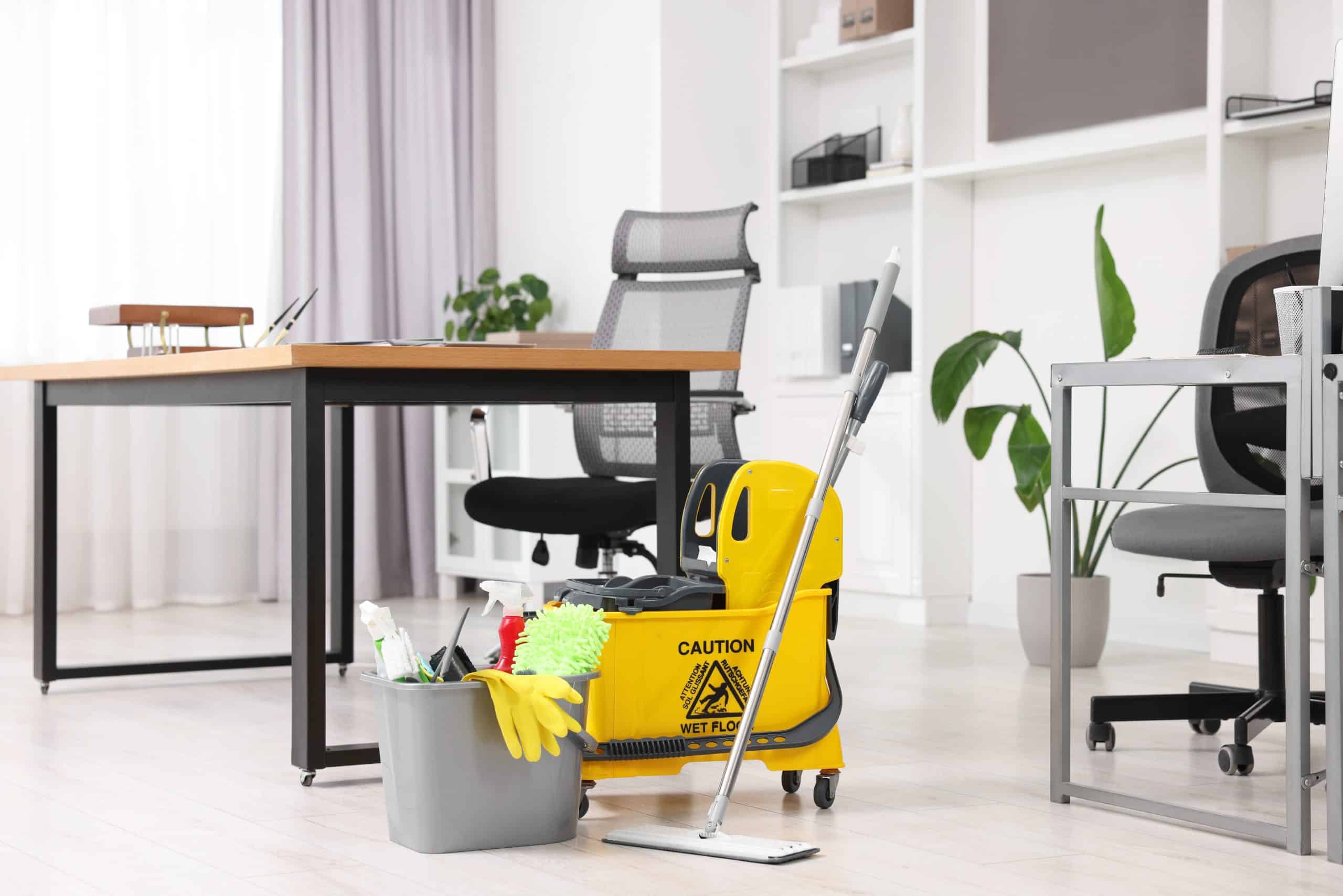
Putting off professional floor waxing might seem like a smart way to save money, but it’s actually one of the most expensive mistakes you can make with your facility. When protective wax layers wear away completely, your floor material becomes vulnerable to permanent damage that goes far beyond surface scratches.
Moisture becomes your biggest enemy once that protective barrier is gone. Spills that would normally wipe up easily can penetrate into the floor material, causing stains, warping, or even structural damage to subflooring. In high-traffic areas, this can happen surprisingly quickly—sometimes within months of losing adequate wax protection.
The financial impact adds up fast. Floor replacement costs can run thousands of dollars for even modest office spaces, compared to hundreds for professional waxing services. But there’s also the disruption factor to consider. Emergency floor repairs or replacement means closing areas of your business, potentially losing productivity, and dealing with the noise and mess of construction work during business hours. Regular professional waxing prevents these scenarios entirely while keeping your workspace looking sharp and professional for clients and employees alike.
Why DIY Floor Waxing Usually Backfires for Commercial Spaces
Many business owners consider handling floor waxing in-house to save money, but commercial floor care is far more complex than it appears. The biggest problem is chemical compatibility—using the wrong stripping solution or wax type for your specific flooring can cause permanent damage that’s expensive to repair. VCT floors need different products than linoleum, and natural stone requires completely different approaches than synthetic materials.
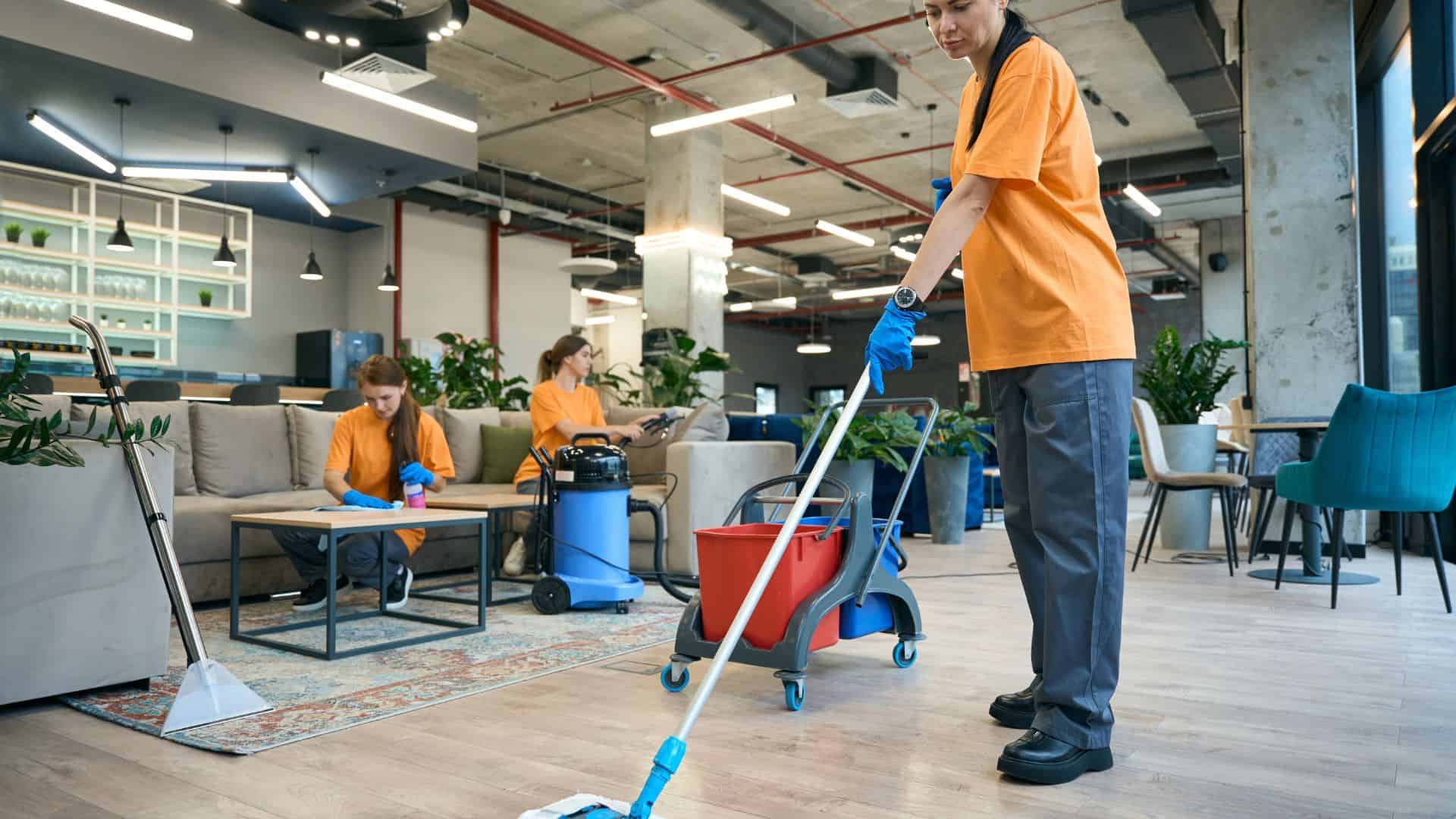
Equipment matters just as much as chemicals. Professional-grade floor machines, extraction systems, and application tools are designed to deliver uniform results across large areas. Consumer-grade equipment simply can’t match the precision needed for commercial spaces. Even something as basic as dilution ratios can make or break the entire process—too strong and you damage the floor, too weak and the old wax doesn’t strip properly.
Then there’s the time factor. Proper commercial floor waxing requires multiple coats with precise drying times between applications. Each coat needs 30-45 minutes to dry, and the final cure time before allowing foot traffic is typically 8 hours. Most businesses can’t afford to keep areas closed that long during regular operations, which is why we work nights and weekends. When you factor in the cost of potential mistakes, equipment rental, and lost productivity from doing it during business hours, professional service usually costs less than DIY attempts.
Making Smart Decisions About Your DuPage County Office Floors
Your office floors are working assets that deserve the same attention as any other business investment, which is why office cleaning services play an important role in maintaining their condition and appearance. When you understand the science behind professional floor care and recognize the warning signs of wear, you can make informed decisions that save money and keep your workspace looking its best.
The key is finding a balance between regular maintenance and professional restoration that fits your specific situation. High-traffic areas need more frequent attention, while low-traffic spaces can go longer between treatments. But don’t wait for obvious damage before taking action—preventive care always costs less than emergency repairs.
For DuPage County businesses serious about maintaining professional appearances and protecting their flooring investments, we at SparkMaids LLC offer the expertise and equipment needed to keep commercial floors in optimal condition year-round.