
Summary:
Every fall, the same thing happens. The kids go back to school, the weather shifts, and somewhere between football Saturdays and the first cold snap, you look around your house and think: this needs more than a vacuum run. The windows have film on them. The ceiling fans haven’t been touched since spring. And Thanksgiving is closer than it feels.
The good news is that fall cleaning doesn’t have to be overwhelming — it just has to be intentional. We’ve built this checklist specifically for DuPage County homes and the conditions that come with an Illinois autumn. Let’s get into it.
Home Cleaning Checklist: What to Actually Tackle This Fall
Most fall cleaning guides hand you a generic room-by-room list and call it done. That’s fine as a starting point, but it misses the bigger picture — which is that fall cleaning in the western Chicago suburbs has a specific purpose that spring cleaning doesn’t.
When you close your windows for the season in October, you’re sealing everything in: the pollen that tracked in on shoes and jackets, the dust that settled in your vents all summer, the pet dander that’s been building up on your upholstered furniture. A surface clean won’t touch most of it. A real fall clean goes deeper — and it’s worth understanding why before you start.
Which Rooms Need the Most Attention in a Fall Deep Clean?
The kitchen is usually where people start, and for good reason. After a summer of cooking with the windows open, grease and dust have settled on cabinet tops, range hood filters, and the back wall behind the stove. Inside the oven and refrigerator are two spots that most routine cleaning skips entirely — and two spots that mold and bacteria genuinely love once the weather turns and your home stays sealed.
Wiping down the fridge’s door gaskets, cleaning the drip tray, and pulling it out to vacuum the coils behind it takes maybe twenty minutes and makes a real difference.
Bedrooms are the other high-priority zone, and the reason is allergens. Dust mites live in mattresses, pillows, and bedding — and they thrive in the cooler, drier indoor air that comes with fall. Washing all bedding in hot water, vacuuming your mattress, and cleaning under the bed (not just around it) addresses the places where allergen load is highest while you sleep. If anyone in your household deals with fall allergies or asthma, this is not optional.
Bathrooms need a more thorough pass than a typical weekly clean — grout lines, the base of the toilet, the exhaust fan cover, and the caulking around the tub are areas where mold can take hold once your home is buttoned up for winter and ventilation drops. Living areas — specifically upholstered furniture, curtains, and rugs — hold pollen and dander for days after it enters the house. These surfaces need more than a light vacuum; they need the kind of attention that actually extracts what’s embedded in the fibers.
The HVAC Switch-On: The Fall Cleaning Task Most DuPage County Homeowners Forget
Here’s the one that catches people off guard every year. Sometime in October — usually after the first week where it genuinely doesn’t warm up during the day — you turn the furnace on for the first time since April. And for the next several hours, everything that accumulated in your ducts and on your furnace filter over the spring and summer gets pushed through every room in the house.
If you haven’t replaced your furnace filter before that moment, you’re essentially running a dust and allergen distribution system through your home. A fresh filter costs a few dollars and takes five minutes to swap out. It’s one of the highest-return tasks on any fall home cleaning checklist, and it’s the one most people do after the fact — if at all.
Beyond the filter, ceiling fans are worth addressing before you flip them to winter mode. Dust accumulates on fan blades in a way that isn’t visible from below, and when you reverse the direction for heating season, that dust comes down. Baseboards and air vents are in the same category — they collect dust quietly all summer and release it the moment airflow changes.
For DuPage County homeowners who deal with fall allergies, this HVAC transition window is genuinely the most important cleaning moment of the year. Illinois sits in the heart of the ragweed belt, and the fall allergy season runs hard from mid-August through October. Ragweed pollen and outdoor mold spores — which peak as leaves decompose in September and November — track into your home on shoes, clothing, and pets. Once your windows close, those particles have nowhere to go.
HEPA-filtered vacuums make a meaningful difference here because they actually trap the fine particles that standard vacuums recirculate back into the air. It’s not a marketing distinction — it’s a mechanical one, and it matters most in fall.
Want live answers?
Connect with a Spark Maids LLC expert for fast, friendly support.
Seasonal Allergen Cleaning: Why Fall Is the Most Important Time to Get It Right
Spring cleaning gets all the cultural attention, but fall is actually the more medically relevant season for indoor air quality — at least in the Chicago western suburbs. The combination of ragweed pollen peaking outdoors and homes sealing up for winter creates an indoor allergen concentration that builds week over week from October through December.
The good news is that targeted cleaning genuinely reduces it. Studies from the EPA show that indoor air quality can improve by up to 50% after thorough cleaning and removal of airborne particles. The key is knowing which surfaces hold allergens longest and addressing those first — soft surfaces like upholstered furniture, rugs, and bedding — before moving to hard surfaces and floors.
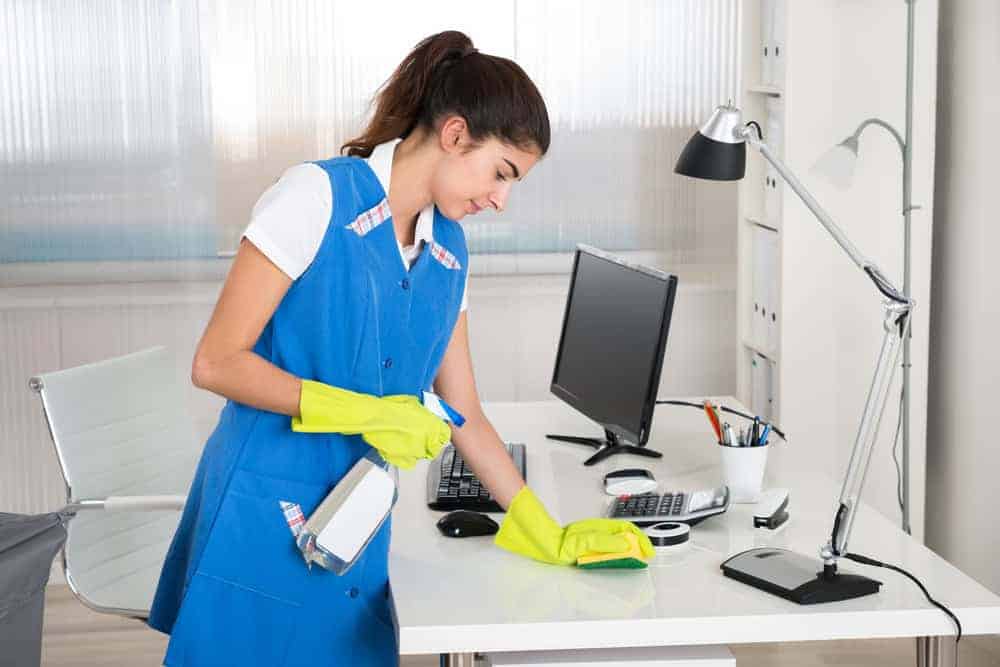
How to Reduce Fall Allergens in Your Home Without Harsh Chemicals
One of the things that comes up regularly in conversations with DuPage County families is concern about what’s in the cleaning products they’re using. It’s a reasonable concern — 89% of chemical cleaner poisoning exposures occur in households, and most of them involve standard off-the-shelf products. If you have kids, pets, or anyone with respiratory sensitivities in your home, the products you use for a fall deep clean matter as much as the technique.
Eco-friendly, non-toxic cleaning products have improved significantly over the past decade. Professional-grade formulas that skip the harsh chemicals can handle grease, mold, and bacteria just as effectively — the difference is in the application method and the tools, not in adding more chemical strength. Microfiber cloths, for example, trap dust and bacteria mechanically rather than relying on a chemical to neutralize them. They’re washable, reusable, and genuinely more effective than cotton rags for most cleaning tasks.
For allergen reduction specifically, the sequence matters. Start high — ceiling fans, light fixtures, shelving — and work down, so that anything you dislodge gets captured when you vacuum last. Use a HEPA-filtered vacuum on all soft surfaces before wiping hard ones. Wash bedding in hot water (at least 130°F) to kill dust mites. Pay attention to window tracks and door frames — those are entry points where pollen and outdoor debris collect and then get pushed into the room every time you open and close them.
The goal isn’t a sterile environment. It’s a home where the air you’re breathing in November isn’t carrying everything that came in during September and October. For families across DuPage County, that’s a real quality-of-life difference — not just a cleanliness preference.
Deep Cleaning Before the Holidays: What to Prioritize When Time Is Short
If you’re reading this in late September or October, you’re probably already doing the math on how many weekends stand between now and Thanksgiving. The answer is usually fewer than it feels like, and a genuine pre-holiday deep clean — the kind that covers the areas guests will actually notice, plus the ones that affect how your home feels day to day — takes longer than most people plan for.
For a typical three- or four-bedroom home in DuPage County, a thorough deep clean covers a lot of ground: inside appliances, behind furniture, window tracks, grout lines, baseboards, ceiling fans, light fixtures, and all the soft surfaces that hold a season’s worth of dust and allergens. For a professional team, that’s a full day of work. For a solo homeowner fitting it in around a job, kids’ activities, and a normal week, it often stretches into a multi-day project — and frequently doesn’t get finished before the first guests arrive.
There’s no shame in recognizing that some jobs are worth handing off. The honest version of a pre-holiday deep cleaning checklist includes a moment where you assess what’s realistic given your schedule and what actually needs to be done before your family comes through the door. Floors, bathrooms, and the kitchen are the non-negotiables. Baseboards, inside the oven, and the guest room closet are the things that feel urgent the night before but rarely get touched otherwise.
If you’re in Naperville, IL, Lisle, IL, Westmont, IL, Lombard, IL, Glen Ellyn, IL, or anywhere else in DuPage County and you’ve hit the point where the list is longer than the time available, that’s exactly what we’re here for. We use HEPA-filtered vacuums and non-toxic, eco-friendly products that are safe for children and pets, so you don’t have to choose between a genuinely clean home and a safe one. We’ve been cleaning homes across DuPage County for over 15 years, and we know exactly what a fall deep clean needs to cover in your neighborhood.
When to DIY and When to Call SparkMaids LLC
A good fall cleaning checklist gives you clarity — about what needs to happen, in what order, and why it matters for the specific conditions your home deals with in an Illinois autumn. Most of it is genuinely doable on your own if you have the time and the right tools.
But if your schedule is already full, your allergy symptoms are telling you the indoor air quality needs more than a surface pass, or the holidays are close enough that you need it done right and done fast — that’s a reasonable point to bring in help. We’re A+ rated by the Better Business Bureau, bonded and insured, and we’ve earned Nextdoor Neighborhood Favorite recognition two years running from the communities we serve across DuPage County.
Reach out for a free quote by phone or text. We’re available Monday through Saturday, and we’ll tell you exactly what a fall deep clean would cover for your home — no pressure, no guesswork.