
Summary:
Your carpet looked fine in October. Now it’s spring, and something is off — the color looks dull, there’s a smell that won’t quit, and the high-traffic areas have that matted, ground-in look that no amount of vacuuming seems to touch. You’re wondering whether it’s time to replace the whole thing or whether there’s a better option you haven’t tried yet. The answer usually comes down to one question: does your carpet need a deep clean, or does it need restoration? They’re not the same thing, and knowing the difference could change what you decide to do next.
What Is a Deep Clean Carpet Service — and When Is It the Right Call?
A deep clean carpet service goes well beyond what your vacuum can do. Where regular vacuuming pulls up surface debris, a professional deep clean uses hot water extraction — sometimes called steam cleaning — to push a cleaning solution deep into the carpet fibers and extract it along with the dirt, allergens, and residue that have built up over time. It’s thorough, it’s effective, and for most carpets in reasonably good shape, it’s exactly what’s needed.
If your carpet is structurally sound — the fibers aren’t matted beyond recovery, there’s no water damage, and you’re dealing with general soiling rather than deep-set stains or odor saturation — a professional deep clean will likely get you back to a result you’re happy with. Think of it as a reset. The carpet comes out looking noticeably cleaner, smelling fresher, and feeling softer underfoot.
Where deep cleaning falls short is when the damage has gone further than surface soiling. That’s when restoration becomes the more appropriate conversation.
What Does a Professional Deep Clean Carpet Cleaner Actually Do Differently?
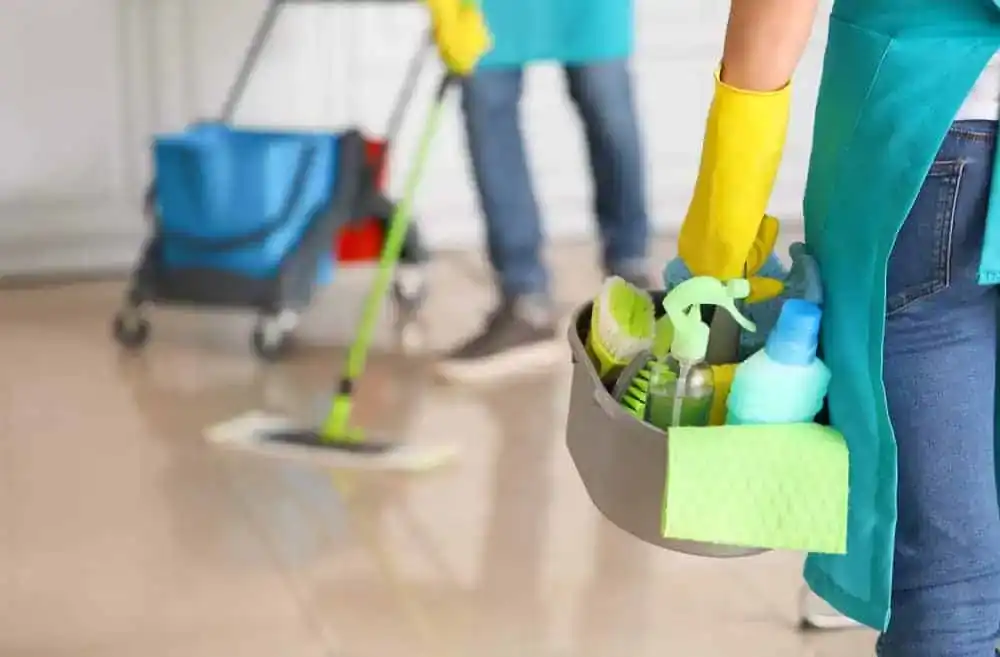
There’s a meaningful gap between a professional deep clean carpet cleaner and the rental machines you’ll find at the hardware store. It’s not just about equipment size — it’s about how the process is approached from start to finish.
A professional service begins with an inspection. Before any water or solution touches your carpet, a trained technician looks at the fiber type, assesses the soiling level, checks for any signs of water damage or mold, and identifies problem areas that need pre-treatment. This step matters more than most people realize. Different carpet fibers — nylon, polyester, wool, olefin — respond differently to cleaning solutions and heat levels. Skipping the inspection and applying a one-size-fits-all approach is one of the main reasons people end up disappointed after a cleaning.
Pre-treatment is the next step that separates quality work from a quick rinse. A cleaning solution is applied to the carpet and given adequate dwell time to break down embedded soils before extraction begins. Budget providers often skip this step or rush it. The result is a carpet that looks cleaner immediately but reverts quickly because the underlying buildup was never addressed.
Our Carpet Eco Extraction service uses eco-friendly, non-toxic solutions that are safe for children and pets — not because it’s a nice thing to say, but because the homes we work in have kids crawling on these floors and dogs lying on them. We also use HEPA-filtered vacuums, which capture particles as small as 0.3 microns — including dust mites, pet dander, and mold spores that standard vacuums recirculate back into the air. The result isn’t just a cleaner-looking carpet. It’s a cleaner environment in your home.
For DuPage County homeowners in particular, this matters after a Midwest winter. Road salt and ice melt chemicals — calcium chloride, magnesium chloride — get tracked in on boots from November through March. These chemicals don’t just soil carpet fibers; they’re corrosive. They break down fiber structure and backing over time in a way that routine vacuuming won’t address. A proper deep clean after winter isn’t optional maintenance — it’s damage control.
How Do You Know If Your Carpet Needs More Than a Deep Clean?
This is the question most homeowners are actually trying to answer when they start searching. And it’s a fair one, because the line between “needs a deep clean” and “needs restoration” isn’t always obvious from the outside.
If your carpet’s problems are primarily about soiling — dirt, dust, general grime, light staining — a deep clean is almost certainly the right starting point. But if you’re dealing with any of the following, restoration is the more appropriate service: deep-set stains that have been there for months or years and have bonded with the fibers; pet urine that has soaked through to the padding and is producing persistent odor even after surface cleaning; water damage from a leak or flood that has affected the backing or padding; significant matting in high-traffic areas where the pile has been crushed flat and won’t recover on its own; or discoloration that isn’t soiling but actual fiber damage or color loss.
Restoration addresses these problems at a different level. It may involve fiber raking to revive crushed pile, targeted odor neutralization that goes beyond deodorizing spray, color correction for areas that have been bleached or discolored, and in some cases re-stretching carpet that has buckled or loosened. It’s a more intensive process, and it requires a provider who has the experience and equipment to assess what’s actually happening with the carpet before deciding how to treat it.
Not every carpet is worth restoring. If the fibers are fraying, the backing is deteriorating, or the seams are separating, restoration won’t fix structural failure. At that point, replacement is the right answer, and any provider worth hiring will tell you that directly rather than take your money for a service that won’t deliver. We’ve been doing this work in DuPage County for over 15 years, and we’d rather give you an honest assessment upfront than leave you disappointed.
Want live answers?
Connect with a Spark Maids LLC expert for fast, friendly support.
Quality Carpet Cleaning in DuPage County: What to Look for in a Provider
Illinois doesn’t require carpet cleaners to hold a state license. Anyone can buy a machine and start offering services, which means the quality gap between providers in DuPage County is significant. When you’re evaluating who to hire — especially for restoration-level work — the credentials and experience of the provider matter more than the price on the quote.
The markers of a quality carpet cleaning provider aren’t complicated, but they’re worth knowing. Years of experience in the local market, verifiable third-party credentials, transparent communication about what your carpet actually needs, and the right equipment for the job are the baseline. What separates a capable provider from a budget one is often invisible until after the work is done — which is why doing the homework beforehand matters.
What Credentials and Experience Should You Look for in a Carpet Restoration Company?
When a provider is entering your home and working on surfaces your family lives on, the question of who they are and what they know is legitimate. Here’s what actually signals quality in this industry.
Experience is the first filter. A company that has been operating in your area for over a decade has a track record — they’ve seen the range of carpet problems that DuPage County homes produce, they know how local conditions affect carpet wear, and they’ve built a reputation that depends on delivering results. Newer operations or franchise models with high technician turnover don’t have the same accountability.
Third-party credentials matter because they’re independently verifiable. SparkMaids LLC holds an A+ rating from the Better Business Bureau and is a BBB Accredited Business — a rating that reflects our complaint history and business practices, not a self-assessment. We’re also members of ISSA (the global cleaning industry trade association) and the American House Cleaners Association (AHCA), which means we’re engaged with industry standards and ongoing professional development. We’re bonded and insured, and our technicians are background-checked. These aren’t things every provider in this market can say.
Equipment is another honest differentiator. HEPA-filtered vacuums aren’t standard issue. Most cleaning operations use conventional equipment that handles visible dirt but recirculates fine particulate matter back into the air. For families with allergies, asthma, or young children, that distinction has real consequences. Our Carpet Eco Extraction process is built around equipment and solutions that address what’s embedded in carpet fibers — not just what’s visible on the surface.
Finally, look at how a provider communicates before you book. Do they ask questions about your carpet’s condition, fiber type, and what you’ve already tried? Do they inspect before quoting? A provider who offers a flat rate without seeing the space or understanding the problem isn’t set up to deliver restoration-level results. Quality carpet cleaning starts with an honest conversation about what you’re actually dealing with.
Carpet Restoration vs. Replacement: How Do You Know Which One Makes Sense?
This is the decision that most homeowners across DuPage County — in Naperville, Wheaton, Elmhurst, and beyond — are quietly wrestling with when they start looking into carpet restoration. The carpet looks bad. You’ve tried cleaning it yourself. You’re not sure if professional help will make a real difference or if you’re just delaying the inevitable.
The honest answer is that restoration makes sense for most carpets that are structurally intact — meaning the fibers aren’t fraying, the backing isn’t deteriorating, and the seams are holding. Deep-set stains, pet odor, matting, discoloration, and post-water-damage soiling are all problems that professional restoration can address effectively. And when you consider that carpet replacement for an average home runs between $4,500 and $18,000 depending on the carpet quality and square footage — before removal and disposal costs — the math for restoration is compelling in most cases.
DuPage County’s housing stock adds a specific layer to this conversation. Many homes in this area were built in the 1970s through the 1990s, and finished basements are common. Basement carpet takes a different kind of abuse — humidity, occasional moisture intrusion, pet use, and less frequent cleaning attention. These are exactly the conditions where restoration becomes a meaningful option rather than a last resort.
The real estate angle is worth mentioning too. If you’re preparing to list a home in Wheaton, Downers Grove, Lombard, or anywhere else in DuPage County, carpet condition is one of the first things buyers notice. Restoration that brings a carpet back to near-new appearance can make a real difference in how a home shows — without the cost and disruption of full replacement. It’s a practical decision, not just an aesthetic one.
Where restoration genuinely isn’t the answer is when the carpet has reached the end of its structural life. Frayed edges, backing that’s crumbling, seams that have separated, or padding that’s been saturated and never properly dried — these are signs that no cleaning process will fix. We’ll tell you this directly. That’s what honest assessment looks like.
Which Carpet Service Is Right for Your DuPage County Home?
If your carpet is soiled but structurally sound, a professional deep clean will likely deliver results that surprise you. If it’s dealing with deeper damage — persistent odor, set-in stains, matting, water damage — restoration is the right conversation to have before you start pricing out replacement.
What matters most is getting an honest assessment from someone who knows what they’re looking at. Not a quote based on square footage alone, but an actual evaluation of what your carpet needs and what’s realistic to expect.
If you’re in DuPage County and you’re not sure which direction makes sense, SparkMaids LLC is happy to talk it through. We’ve been doing this work in this community for over 15 years, and we’ll give you a straight answer — even if that answer is that replacement is the better call. Reach out for a free quote and let’s figure out what your carpet actually needs.