Summary:
You’ve decided to get your carpets cleaned — good call. But now you’re looking at two different methods, getting conflicting information, and wondering if it actually matters which one you choose. It does. The wrong method for your carpet, your home, or the time of year can leave you with damp floors for two days, faster resoiling, or a musty smell you didn’t have before.
This guide cuts through the noise and gives you a clear picture of how dry cleaning and steam cleaning actually work, where each one makes sense, and what DuPage County homeowners specifically should keep in mind when making this call.
How Carpet Dry Cleaning Works
Carpet dry cleaning isn’t just vacuuming with a fancier machine. It’s a distinct cleaning process that uses a biodegradable compound — think of it as a very fine, absorbent powder — that gets worked into your carpet fibers using a machine with counter-rotating brushes. The compound binds to dirt and pulls it to the surface, then everything gets vacuumed away.
No water. No soaking. No waiting around for floors to dry before your kids or pets can walk through the room again. The result is a carpet that’s clean, residue-free, and ready to use almost immediately — typically within one to three hours.
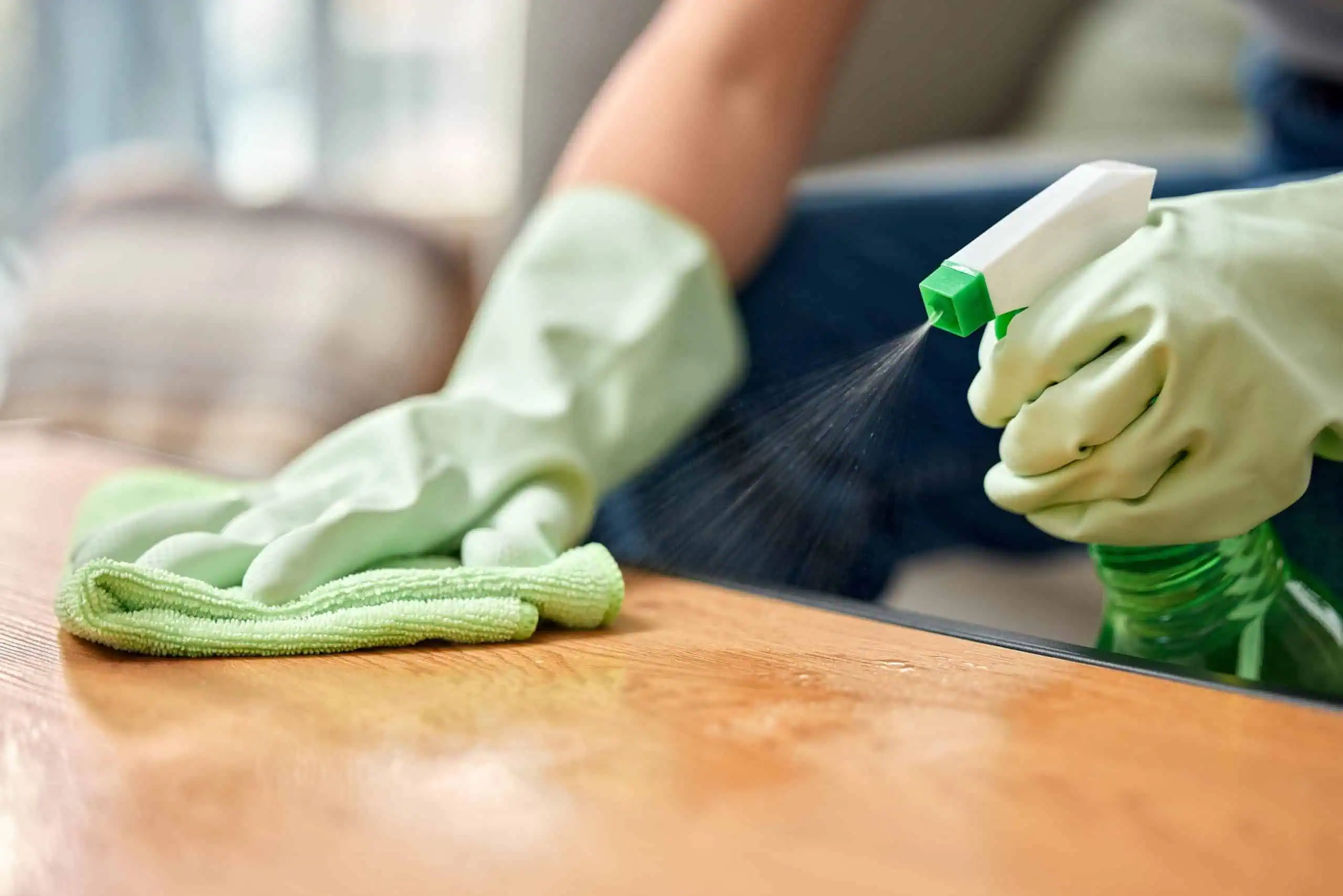
Why Dry Cleaning Makes Sense for DuPage County Summers
Here’s something most carpet cleaning companies won’t bring up: the method you choose matters more depending on when and where you’re getting your carpets cleaned. In DuPage County, summers are genuinely humid. Relative humidity regularly climbs past 70%, and that changes the drying equation significantly for wet cleaning methods.
Traditional steam cleaning — also called hot water extraction — works by injecting hot water deep into carpet fibers and then extracting it along with the loosened dirt. Under ideal conditions, carpets cleaned this way can dry in six to twelve hours. But in real-world humid conditions, that window stretches. We’ve seen cases where homeowners had carpets that stayed damp for close to 48 hours after a steam clean.
Damp carpet sitting on a backing that can’t breathe — especially over a concrete subfloor like you’d find in a finished basement — is exactly the kind of environment where mold and mildew take hold. The musty smell that follows isn’t just unpleasant. It’s a sign something went wrong.
Dry cleaning sidesteps that risk entirely. Because no water is introduced into the carpet, there’s nothing to linger. The compound does its job and gets vacuumed out. For summer cleanings in the Chicago metro area, that’s a meaningful advantage — not just a convenience.
DuPage County’s finished basements are particularly common in the housing stock here, and those rooms often have carpets laid directly over concrete. Concrete doesn’t allow moisture to escape downward, which means overwet carpet in a basement takes even longer to dry than it would elsewhere in the house. If your basement has carpet and you’re thinking about a summer cleaning, the drying time question deserves serious consideration before you book.
When Steam Cleaning Is the Better Choice
Dry cleaning isn’t the answer for every situation, and we’d rather you have the full picture than oversell one method. Steam cleaning genuinely excels when carpets are heavily soiled — think years of embedded grime, deep pet accidents that have soaked into the backing, or carpets that haven’t been professionally cleaned in a long time.
Hot water extraction reaches the base of carpet fibers in a way that dry methods aren’t designed to match, and the heat involved kills bacteria and allergens in a way that a chemical compound alone can’t replicate. If you’re dealing with serious contamination — not just surface dirt or light staining — steam cleaning is likely the more appropriate starting point.
The same goes for carpets made from synthetic fibers like nylon or polyester that can handle moisture without risk of shrinkage or distortion. Where steam cleaning becomes the wrong call is when the carpet can’t tolerate prolonged moisture — wool and some delicate blends fall into this category — or when the timing and environment make a long drying window genuinely problematic.
A carpet cleaned by steam on a humid July afternoon in Naperville is a different situation than the same carpet cleaned on a dry October morning. Method matters, but so does context. Both methods have legitimate use cases. The ANSI/IICRC S100 standard — the governing standard for professional carpet cleaning — doesn’t mandate one method over the other. It specifies outcomes. A qualified professional should be choosing the method that fits your carpet and your situation, not just defaulting to whatever equipment they happen to own.
Want live answers?
Connect with a Spark Maids LLC expert for fast, friendly support.
Understanding Carpet Drying After Cleaning
Drying time is one of the most underestimated factors in the cleaning decision, and it’s where a lot of homeowners get caught off guard. With carpet dry cleaning, you’re looking at near-immediate walkability — usually one to three hours at most, often less.
With steam cleaning under good conditions, expect six to twelve hours. Under real-world humid conditions in the Midwest, that number can push past 24 hours. That gap matters when you have kids, pets, or simply a home that doesn’t have a spare wing to cordon off for a day and a half.
How to Speed Up Drying After a Steam Clean
If you’ve already had your carpets steam cleaned — or you’re committed to that method for good reason — there are practical things you can do to bring the drying time down. Airflow is the biggest lever. Running ceiling fans, opening windows when outdoor humidity is lower than indoor humidity, and setting up box fans aimed at the carpet all help accelerate evaporation.
A dehumidifier running in the same room makes a noticeable difference, particularly in a basement or any enclosed space without great natural ventilation. Avoid walking on wet carpet as much as possible. Foot traffic on damp fibers pushes moisture deeper and compresses the pile, which slows drying and can affect how the carpet looks once it’s fully dry. If you need to walk through, clean socks or booties are better than bare feet.
Temperature matters too. Warmer air holds more moisture, but moving warm air — rather than still, warm air — is what actually drives evaporation. Running your HVAC fan on the “on” setting rather than “auto” during the drying period keeps air circulating through the system and speeds things up. In the winter months, when DuPage County homes are running heat regularly, carpets tend to dry faster after steam cleaning than they do in summer — which is one reason fall and winter are actually reasonable times to consider hot water extraction if your carpets need a deep clean.
The main thing to avoid is assuming the carpet is dry just because the surface feels dry to the touch. The backing can hold moisture long after the pile feels fine, and that’s where mold risk lives. If you’re unsure, a moisture meter — something any professional should have — can confirm whether it’s actually safe to consider the job done.
What a Professional Carpet Wash Actually Includes
The term “carpet wash” gets used loosely, and it’s worth clarifying what a professional carpet cleaning service — regardless of method — should actually involve. It’s not just running a machine over the surface and calling it done.
A thorough professional carpet wash starts with a pre-inspection to identify fiber type, existing stains, and any areas that need special attention. Pre-vacuuming is standard — you want dry soil removed before any cleaning agent or compound is introduced, because wet cleaning over dry soil just turns it into mud. Pre-treatment of stains and high-traffic areas comes next, followed by the primary cleaning method, and then a post-cleaning inspection to confirm results.
For dry cleaning specifically, the process includes spreading the compound evenly, running the counter-rotating brush machine to work it into the fibers, allowing appropriate dwell time, and then thorough vacuuming to remove the compound along with the dirt it’s captured. It sounds simple, but the quality of the compound and the equipment used makes a significant difference in the outcome. Low-grade compounds can leave residue that actually attracts dirt faster — the opposite of what you’re paying for.
At Spark Maids LLC, we use eco-friendly, non-toxic cleaning products throughout our process — compounds that are tough on the dirt but safe for the people and pets who live in the home. We also use HEPA-filtered vacuums, which matters more than it might seem. Carpets act as the largest filter in most homes, trapping allergens, pet dander, and fine particles. A vacuum without HEPA filtration can recirculate those particles back into the air while cleaning. Our equipment is chosen specifically to avoid that.
For DuPage County homeowners dealing with winter salt and sand tracked in from November through March, a professional carpet wash — done correctly — also addresses the abrasive grit that works its way into carpet fibers and damages them over time. That’s not something a surface-level clean handles. It requires proper pre-vacuuming, appropriate agitation, and the right compound or extraction method for the soil type.
Choosing the Right Carpet Cleaning Method for Your Home
If your carpets are lightly to moderately soiled, you have kids or pets at home, you’re cleaning in summer, or your carpet sits over a concrete subfloor in a finished basement — dry cleaning is likely the smarter call. If your carpets are heavily soiled, haven’t been professionally cleaned in years, or are made from durable synthetic fibers and you can manage a longer drying window — steam cleaning may be the right fit.
The honest answer is that neither method is universally superior. What matters is matching the method to your specific carpet, your household, and the conditions in your home at the time of cleaning. That’s a judgment call best made with someone who actually knows what they’re looking at.
If you’re in DuPage County and you’re not sure which direction makes sense for your home, Spark Maids LLC offers free quotes and straightforward guidance — no pressure, no upsells. Reach out and we’ll help you figure out the right approach before you commit to anything.